



Paint roller holder
from zł6.15
Paint roller handles available in our offer .
Notes:
Shank diameter of...


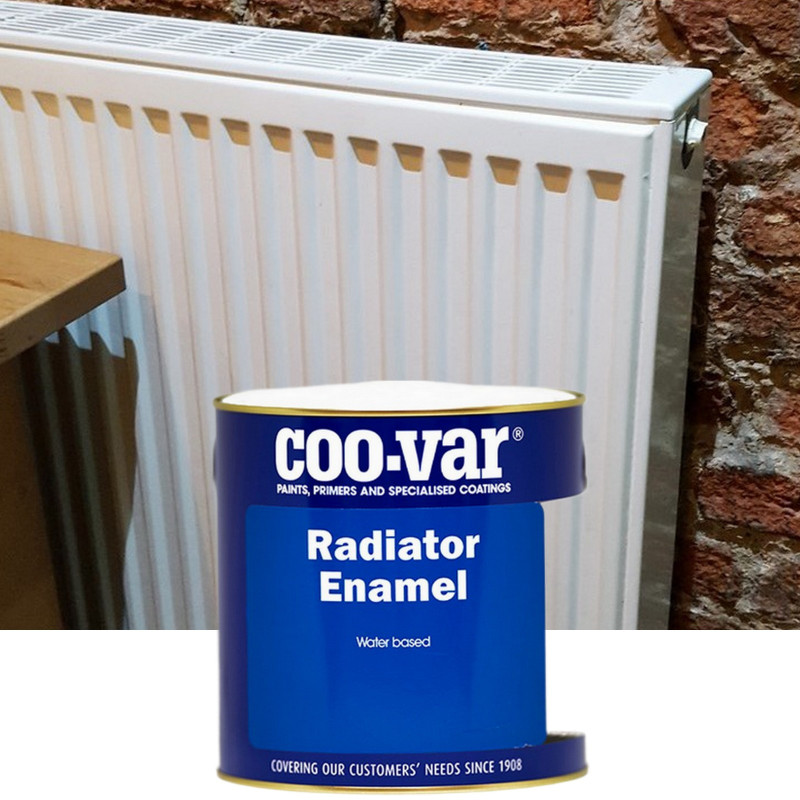
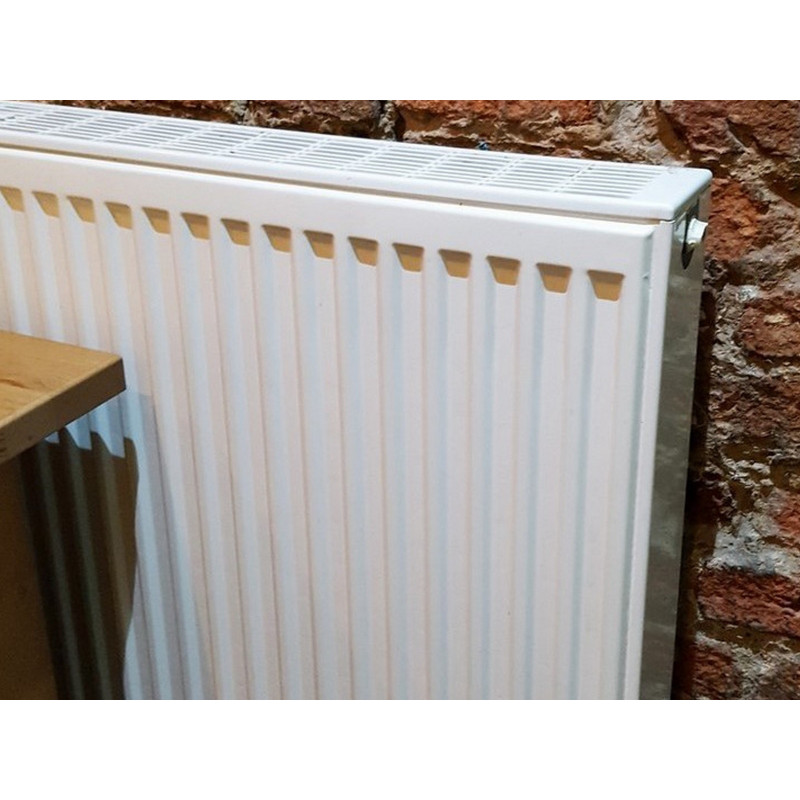
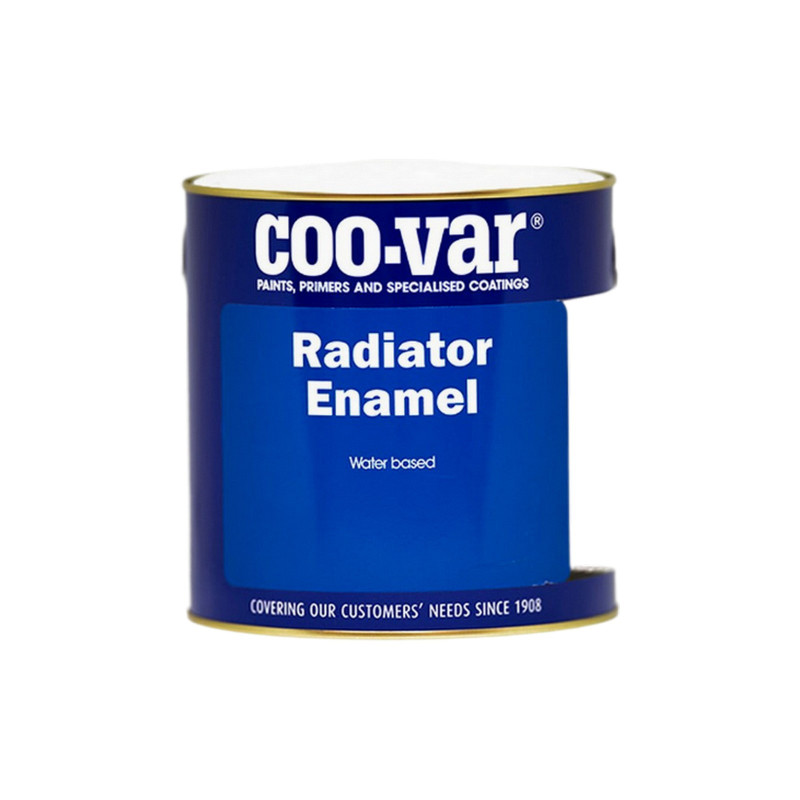
Enamel paint for radiators, applied with a brush or roller, is an exceptionally durable, very strong, and long-lasting paint, perfect for finishing or renovating the exterior surface of radiators. Thanks to its quick drying time, painting a radiator can be completed in one day. Radiator enamel provides a coating that is resistant to high temperatures, moisture, and frequent washing.
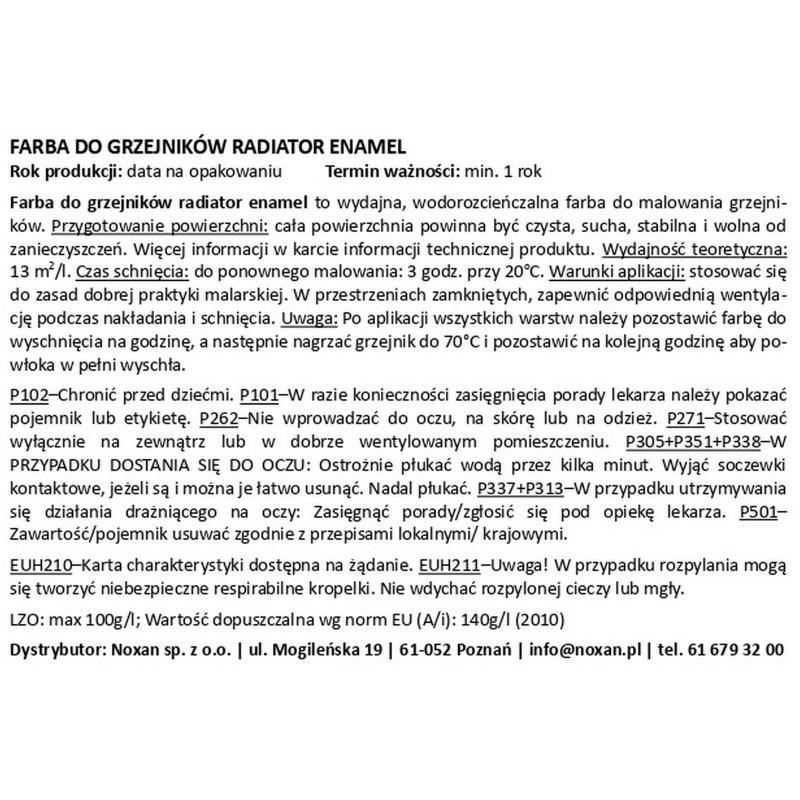
Radiator enamel can be applied directly to a previously painted indoor radiator. Before application, the surface of the radiator should be dry, clean, and free of any dirt and grease.
Note:
After applying all coats, allow the paint to dry for one hour, then heat the radiator to 70°C and leave it for another hour to allow the coating to dry completely.
Enamel for radiators, brush and roller application - key properties:
Coverage: 8 m²/l
More information about radiator enamel.
Radiators used in homes are factory-coated with appropriate coatings that can be applied directly to the steel components of such devices. The above products are intended for renovation. The products do not protect against corrosion, so it is important not to apply them directly to corroding materials such as steel or cast iron.
A factory-painted radiator has a coating that should not be mechanically stripped down to bare metal. For proper renovation, the substrate should be lightly sanded, e.g., with fine-grit sandpaper, thoroughly degreased (preferably with warm water and a neutral detergent), and washed with clean water. Once dry, the substrate is ready for painting!