Depending on the absorbency of the substrate, we recommend using the following coatings as a primer:
- porous mineral surfaces, medium absorbency - GALVI paint diluted with 10% water
- painted, non-chalking surfaces - GALVI paint diluted with 10% water
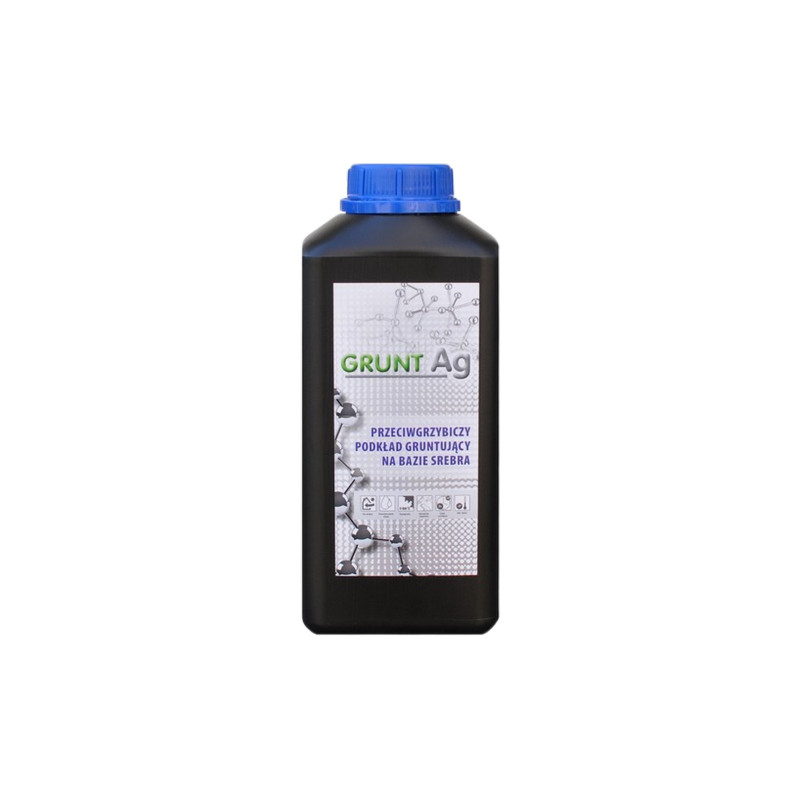
- porous mineral surfaces, highly absorbent, e.g., dusty concrete - Grunt Ag
- painted, chalking surfaces - Ag Primer
- compact mineral surfaces with low absorbency, type B45 and above, e.g., architectural concrete - Multiprim
When to use Ag fungicide?
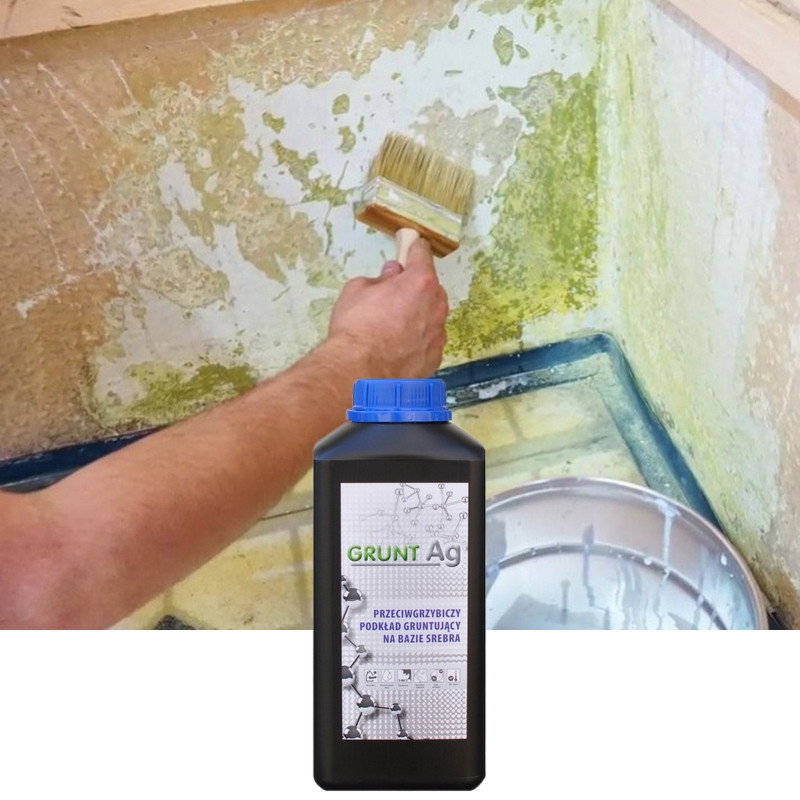
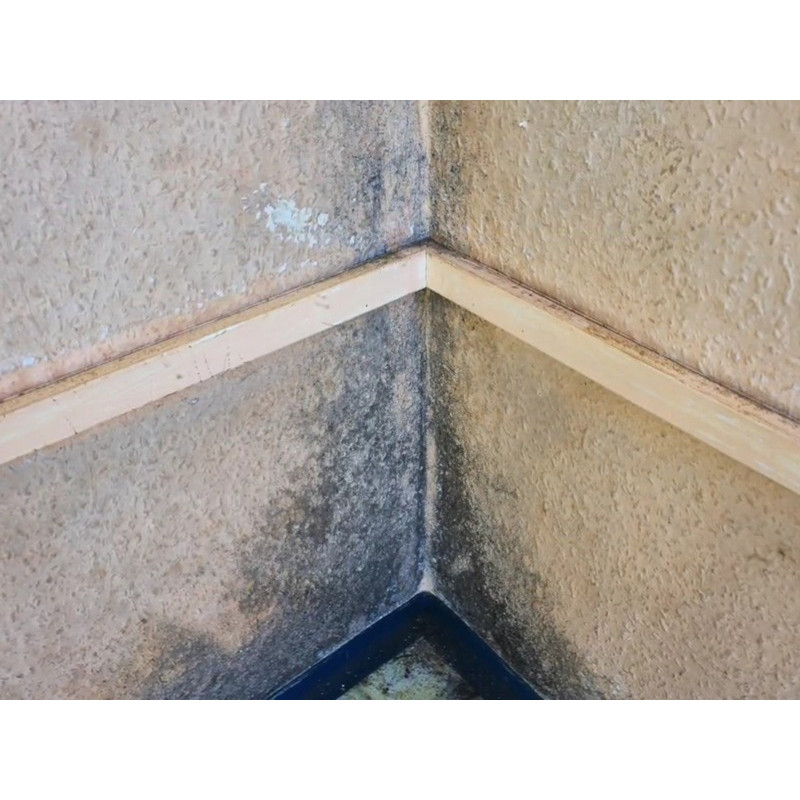
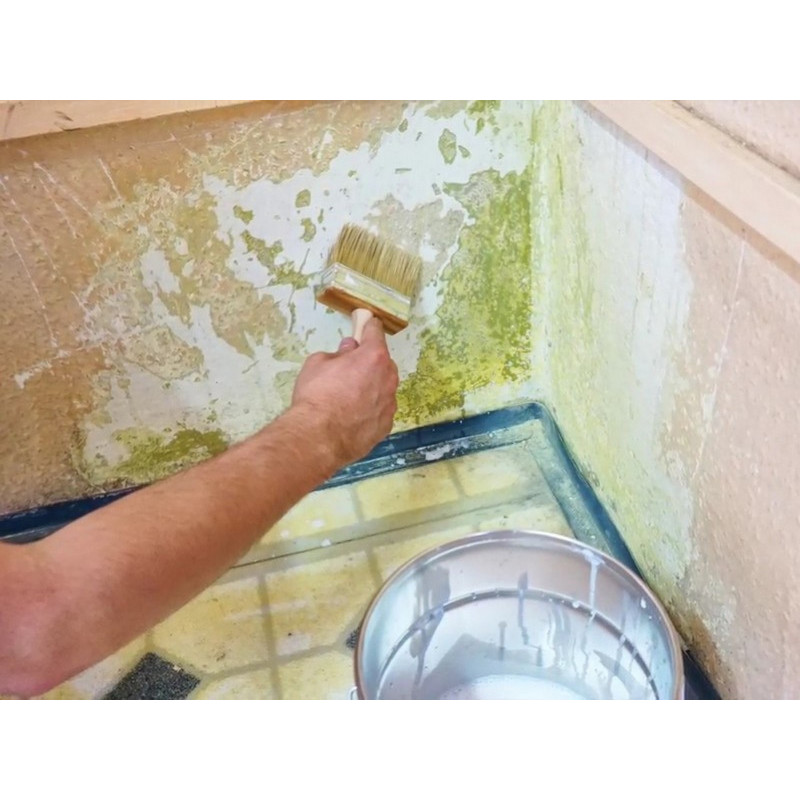
When the substrate is in poor condition, e.g., chalking (dust remains after rubbing with a finger), when old coatings are peeling, when substrates are exposed to fungal growth. The primer is intended for use on particularly damaged and chalky substrates and in areas exposed to periodic moisture and the growth of harmful microorganisms.
What are the advantages of priming walls?
The primer evens out the absorbency of the substrate (thanks to which we use less expensive topcoat paint), strengthens walls and ceilings, and improves the adhesion of topcoat paints. Thanks to its silver particle content, the primer also protects against harmful microorganisms. In addition, the primer creates a waterproof barrier, which is crucial in rooms exposed to periodic moisture.
What makes the Ag fungicide so effective against fungi and mold?
The
Ag
fungicide contains silver. Silver is a proven fungicidal and bactericidal biocide with a broad spectrum of activity. Thanks to the addition of silver, the
Ag fungicide provides long-lasting protection for the substrate.
What are the biocidal properties of the Ag fungicide?
Ag primer is a
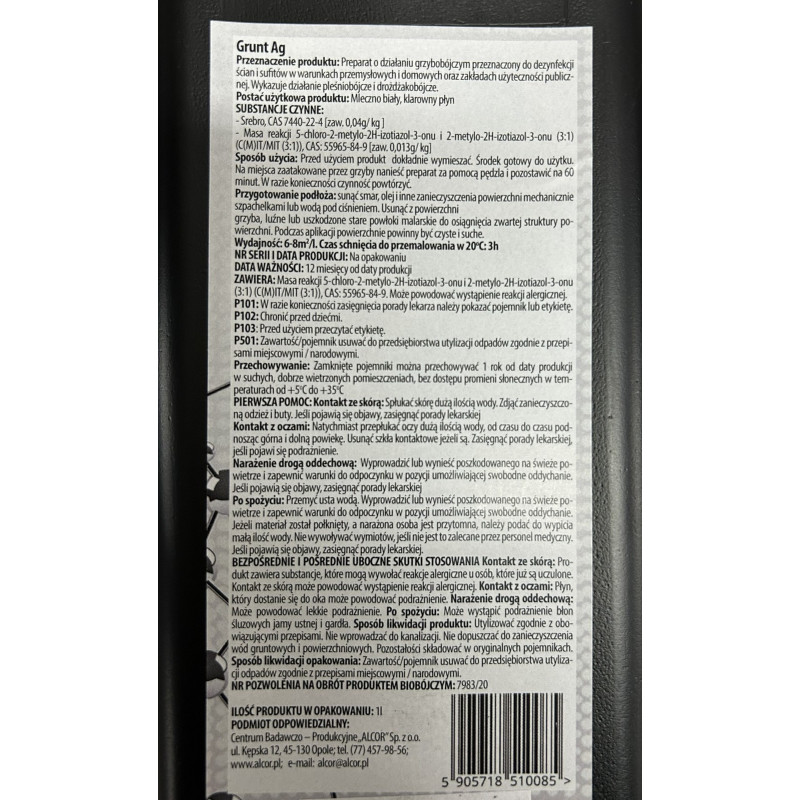
mold killer for surface disinfection with laboratory-confirmed effectiveness in accordance with PN EN 13697 (Phase 2, Stage 2). It has a fungicidal effect on Candida albicans and Aspergillus niger reference strains within 60 min ± 10 at room temperature 20°C ±1°C (temp 18°C to 25°C).
How to prepare the substrate for painting?
It is recommended to manually remove all loose old paint coatings, fungi, and mold with a putty knife or scraper. You should also remove all grease, oil, and other surface contaminants until a compact substrate structure is achieved. Remember to wear protective masks during preparatory work to avoid inhaling fungi and mold. After cleaning, wash the surface with warm water and dishwashing liquid and leave to dry. The surface should be dry and clean during application.
How to apply Ag mold-killing primer?
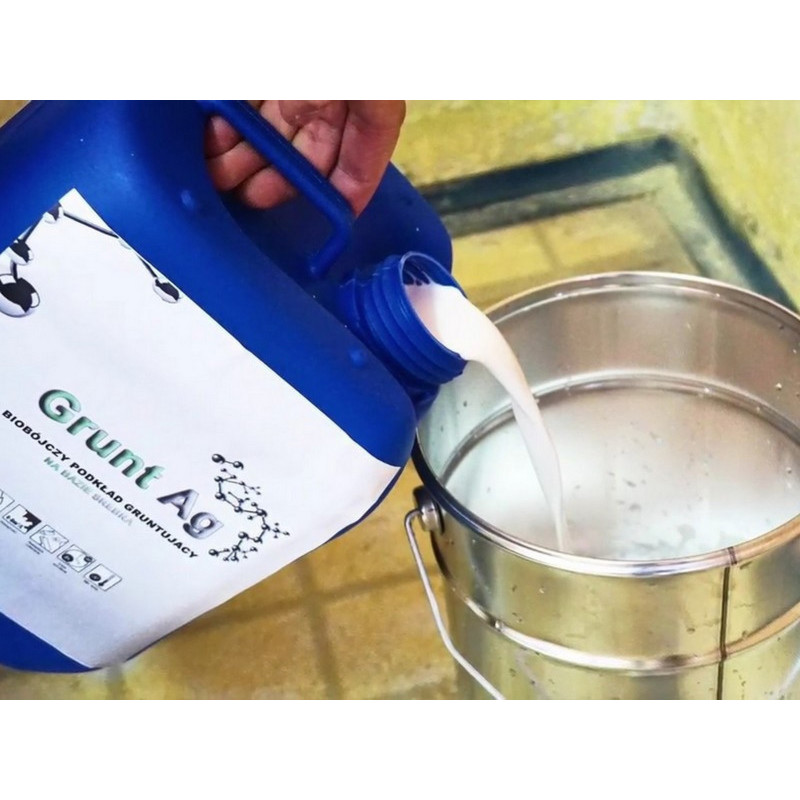
The best results are achieved by applying it with a roller or brush.
Where can Ag primer be used?
In rooms affected by mold or prone to the growth of fungi and mold: at home - kitchens, bathrooms, laundry rooms, bedrooms, garages; in industry: production halls, warehouses, etc.
Does the Ag mold-killing preparation need to be painted over with topcoat paint?
Due to the silver content, plaster may darken after priming. For this reason, we recommend painting over the Ag primer with a topcoat, e.g.,
GALVI antifungal paint. This system will protect the substrate for a long time and ensure high aesthetic value.
How to prepare/clean the wall for the application of GALVI biocontrol paint?
Walls not affected by fungi and mold:
Simply clean the substrate of loose elements, contaminants, and oils until a clean, dry, compact surface structure is obtained.
Walls affected by fungi and mold:
Clean the surface with a cleaning agent that neutralizes mold and fungi. You can use commonly available agents for this purpose.
Note:
- It is not recommended to use chlorine-based agents directly under GALVI paint to clean the substrate. Copper filings from GALVI paint, when in contact with chlorine, can cause discoloration. Therefore, if chlorine-based agents have been used, the surfaces should be thoroughly washed and rinsed with clean water and then left to dry.
- Cleaning with chlorine-based agents is possible when Shellac Prime-All sealing primer is applied to the wall being cleaned. However, even in this case, if chlorine-based agents have been used, the surfaces should be thoroughly washed and rinsed with clean water, then left to dry.