


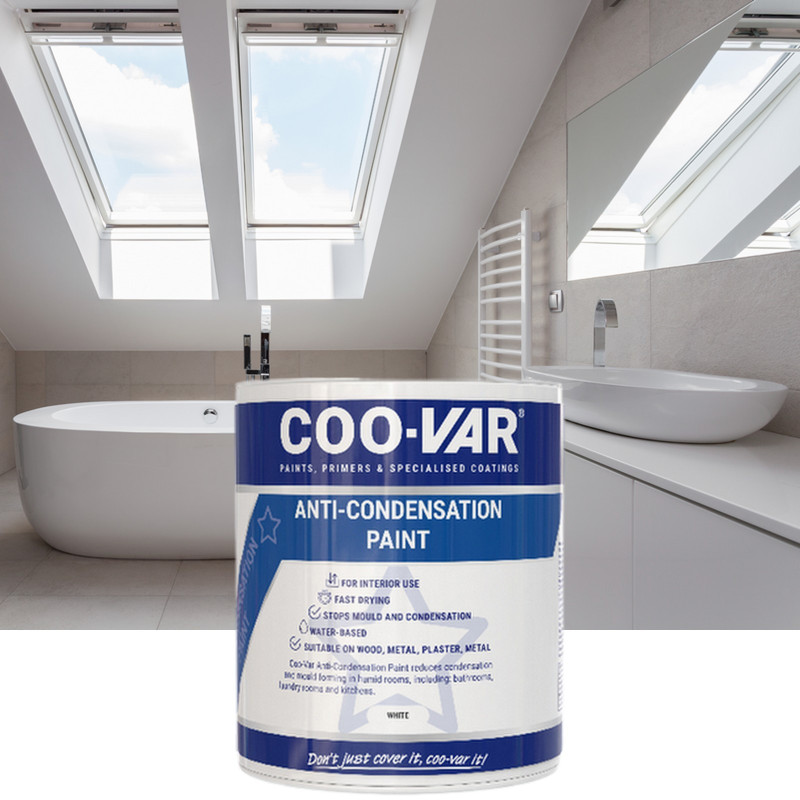


Coo-Var Anti-Condensation Moisture Resistant Paint
Coo-Var Anti-Condensation Paint is a modern solution that prevents moisture condensation on ceilings and walls. The paint acts as a thermal insulator. It creates a coating on the surface that reduces heat differences, making the substrate less susceptible to condensation. As a result, water does not condense on the ceiling surface.
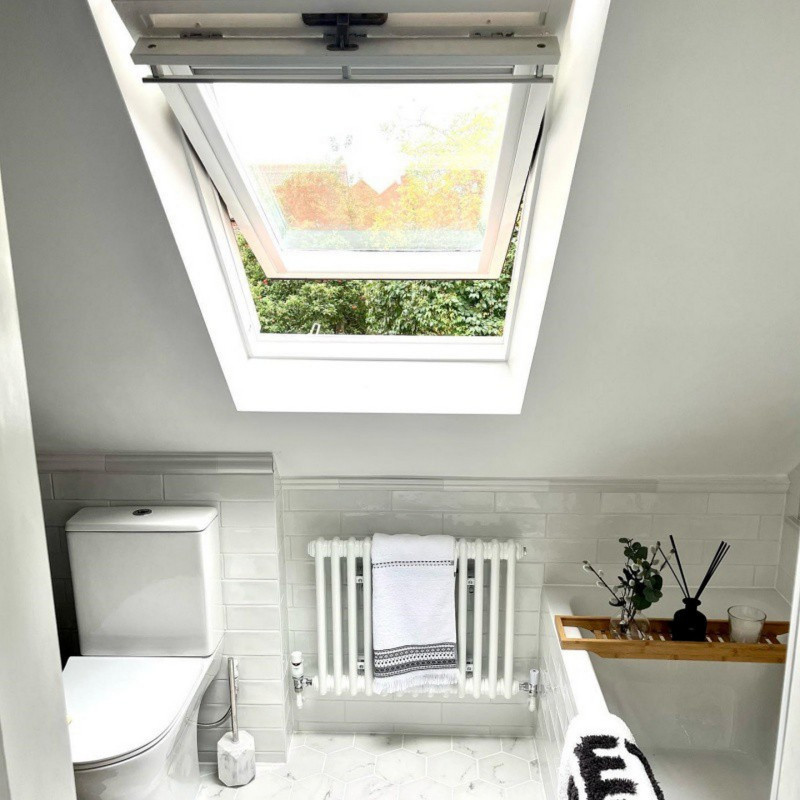
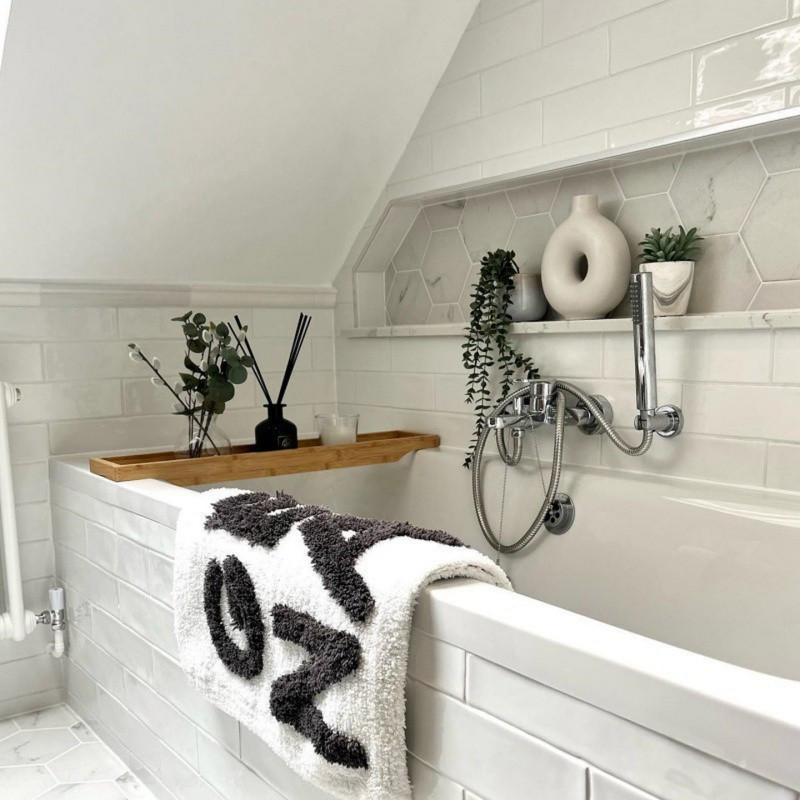
Coo-Var Anti-Condensation Paint protects walls and ceilings from the effects of excessive water vapor and prevents discoloration and peeling of the surface coating. The paint is single-component and easy to apply. It is designed for use on walls and ceilings in domestic areas where there is a risk of water vapor accumulation and in rooms with limited ventilation. It is suitable for light to medium condensation. Recommended for use in bathrooms, kitchens, basements, etc.
Coo-Var Anti-Condensation moisture-resistant paint - key properties:
- acts as a thermal insulator - reduces heat differences
- prevents moisture condensation on walls and ceilings
- water-soluble - does not emit unpleasant odors during application
- single-component, easy to apply
- available in white
- creates a matte, slightly textured finish
- for use on mineral substrates, plaster, old paint coatings, etc.
- application with a brush or roller
Coverage: 8 m²/l for a dry layer thickness of 50 µm
More information about Coo-Var moisture-resistant paint.
Application of Coo-Var Anti-Condensation moisture-resistant paint:
Coo-Var Anti-Condensation moisture-resistant paint is a water-based product that does not emit unpleasant odors during application. It is designed for use on mineral substrates, plaster, old paint coatings, etc. It can be applied with a brush or roller.
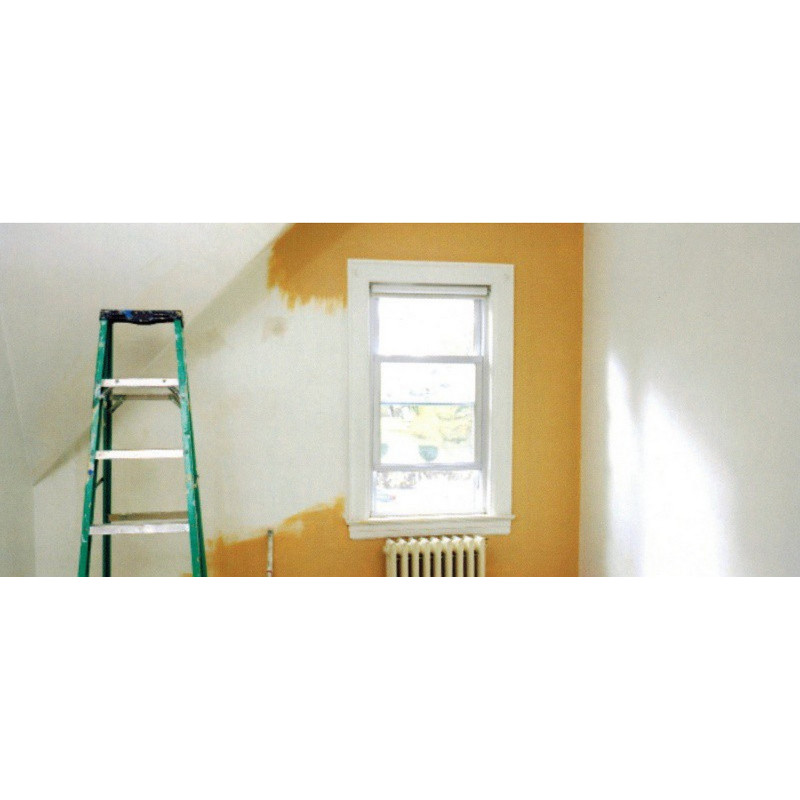
Coo-Var Anti-Condensation Paint creates a white, aesthetic finish on the surface. It can be used as a final top coat and can also be covered with emulsion paints in the color of your choice.
Documentation:

Data sheets
- Technical Data Sheet - detailed product properties and application method
- Safety Data Sheet - chemical, health and safety, and transport information
Frequently asked questions:
1. What is anti-condensation paint?
Anti-condensation paint is a special type of paint designed to reduce moisture condensation on surfaces. It contains insulating microspheres that help keep the surface at a higher temperature, thereby reducing the risk of condensation.
2. Where can anti-condensation paint be used?
It can be used in rooms exposed to moisture, such as bathrooms, kitchens, basements, and laundry rooms.
3. Does anti-condensation paint prevent mold growth?
Yes, by reducing condensation, the paint prevents conditions conducive to mold growth.
4. Do you need to prepare the surface before painting?
Yes, the surface must be clean, dry, and free of dirt, grease, and mold.
5. Can anti-condensation paint be applied over existing paint?
Yes, anti-condensation paint can usually be applied over existing paint, provided the surface has been properly prepared. Make sure the old paint is in good condition and, if necessary, clean and sand the surface to ensure good adhesion.
6. How do you apply anti-condensation paint?
The paint should be applied with a brush or roller. It is recommended to apply several coats, with 4-hour intervals between them.
7. How long does the paint take to dry?
To the touch: 2 hours.
To repaint: 4 hours.
Full hardness: after 3–5 days.
8. Is the paint safe?
Yes, anti-condensation paint is safe to use according to the manufacturer's recommendations.
9. Can it be used outdoors?
No, it is mainly intended for indoor use where condensation is a problem.
10. What are the main advantages of anti-condensation paint?
Reduced condensation, reduced risk of mold growth, improved indoor air quality, and greater comfort.
11. Can anti-condensation paint be used on ceilings?
Yes, the paint is suitable for ceilings, especially in rooms with high humidity such as bathrooms and kitchens.
12. How long does the effect of anti-condensation paint last?
Anti-condensation paint usually retains its properties for several years, depending on the conditions in the room. Good ventilation and regular maintenance can significantly prolong its effectiveness.
Customers who bought this product also bought:

Anti-Damp Paint
from zł131.61
Anti-Damp moisture-resistant paint has been specially designed for direct painting of damp walls and ceilings . It creates a matte finish coating with a high degree of...

Polyurethane varnish - Hydrograff HP
from zł178.00
A two-component, highly durable polyurethane varnish with very high chemical and mechanical...

RD-Aquatop PU - RAL colors from the mixer
from zł146.50
On this page, you will find RD-Aquatop PU paint in RAL colors, mixed to order using a mixer. RD-Aquatop PU in standard colors at factory prices - <a...

Preparation for rust - Rust modifier Q607
from zł88.50
Rust treatment Q607 Rust Modifier is a special agent that stops the rusting process and prevents rust from forming on steel and iron surfaces, even in humid conditions.
Thanks to its...

Painting the terrace and balcony - RD-Aquatop PU
from zł146.50
Single-component paint in colors for terraces and balconies with light to medium traffic in apartments and houses.
RD-Aquatop PU is a modern , single-component,...

Single-sided roller holder
from zł6.15
Universal holder for paint rollers. The holder has a nozzle diameter of 6 mm for the 11 cm size and 8 mm for the 18 cm and 25 cm sizes. It allows for the attachment and application of, among...

Blue Dolphin painter's tape
from zł15.00
Professional masking tape specially designed for long-term use on surfaces. Easy to remove from the substrate without damage, leaves no adhesive residue. The 50 m roll of Blue Dolphin tape is a...


