



Quartz flour type W12
from zł36.90
W12 quartz powder with a grain size of 1-120 µm used as a filler for epoxy and polyester resins .
W12 quartz powder is ideal for use with <a...


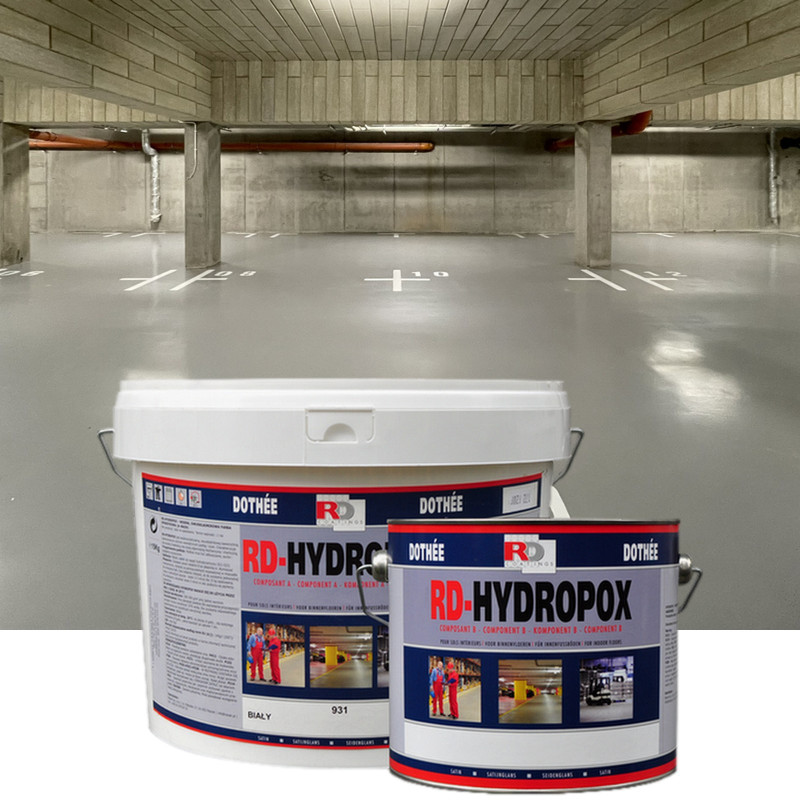
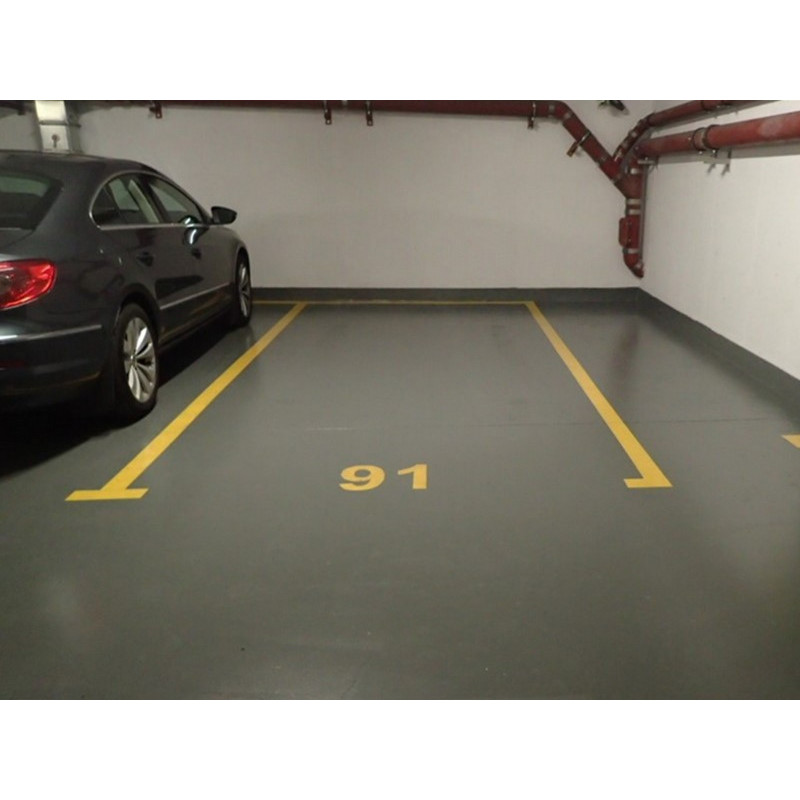
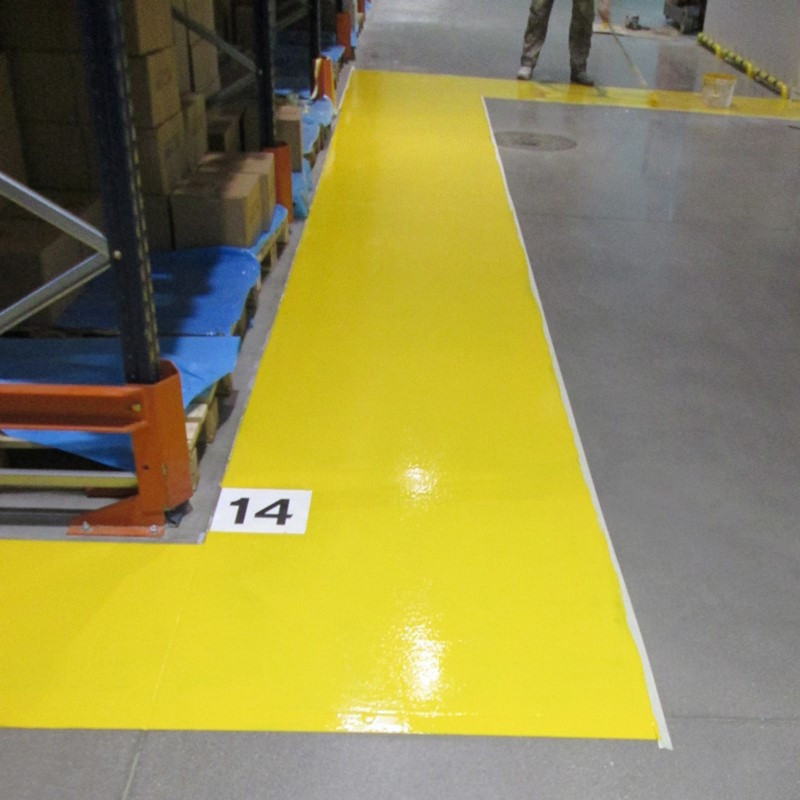
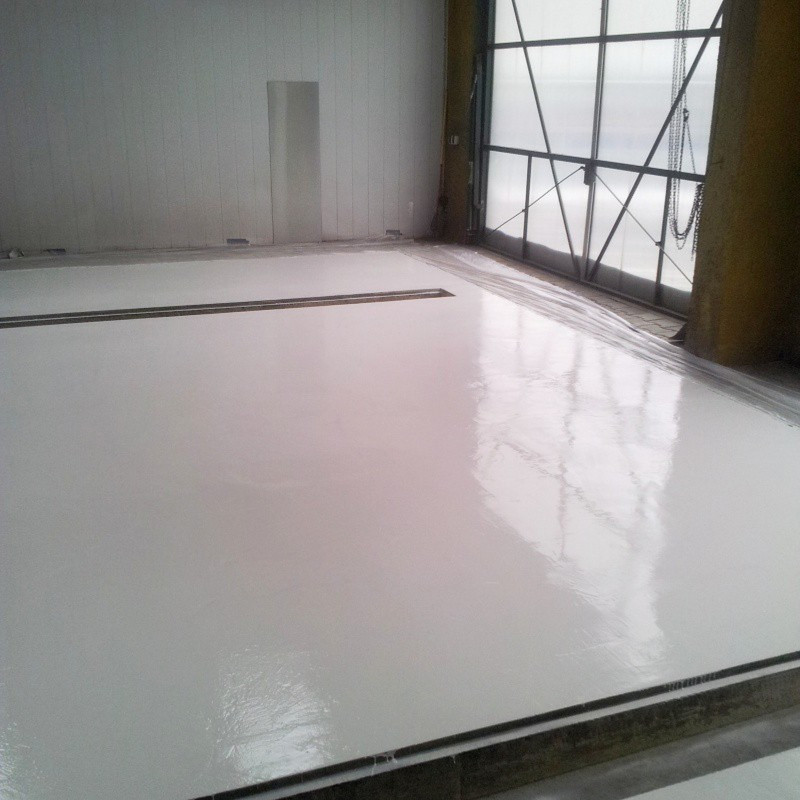
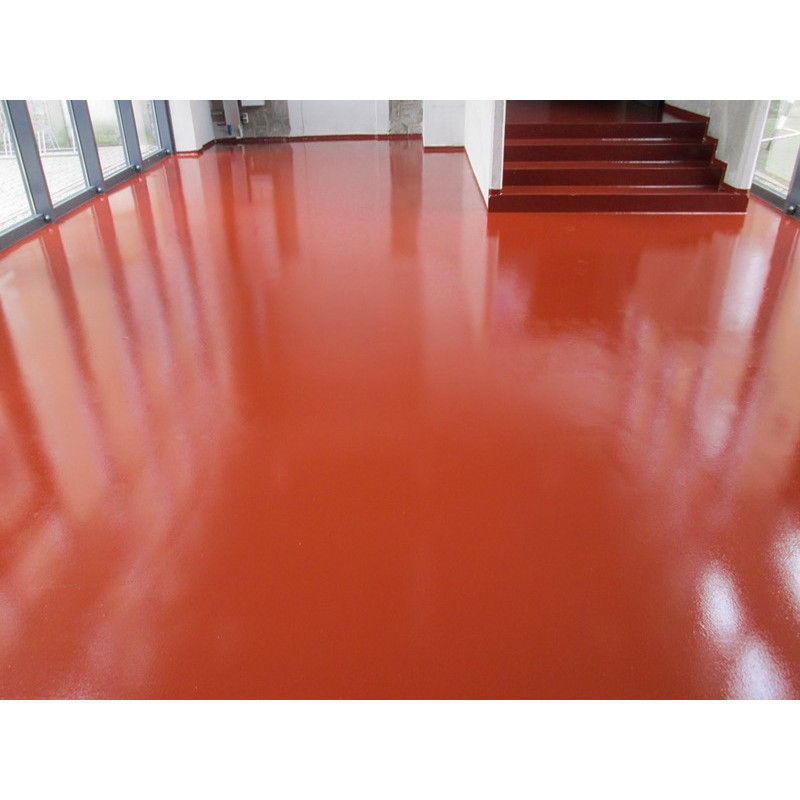
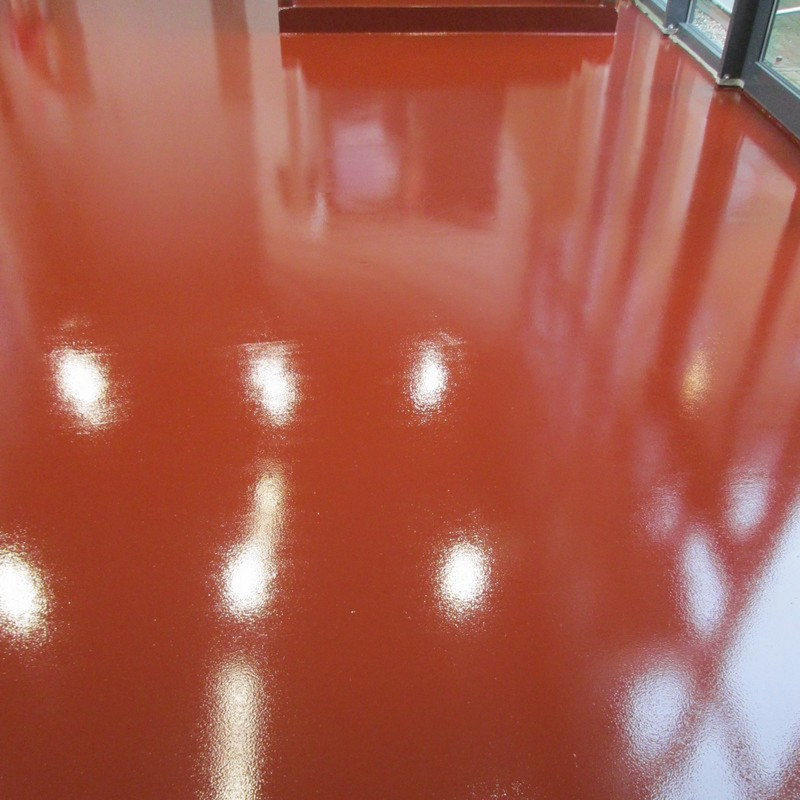
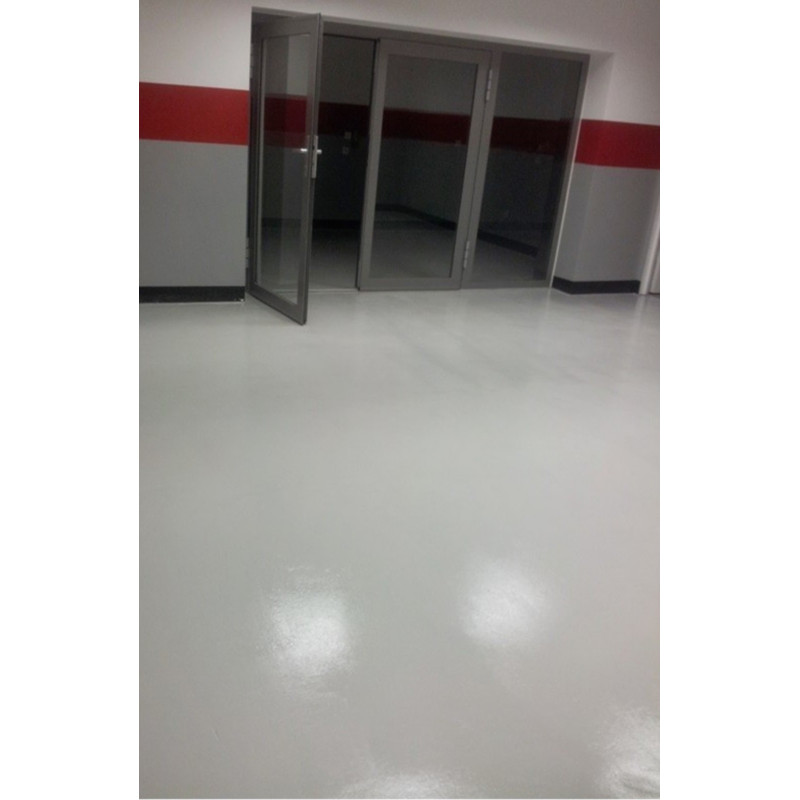
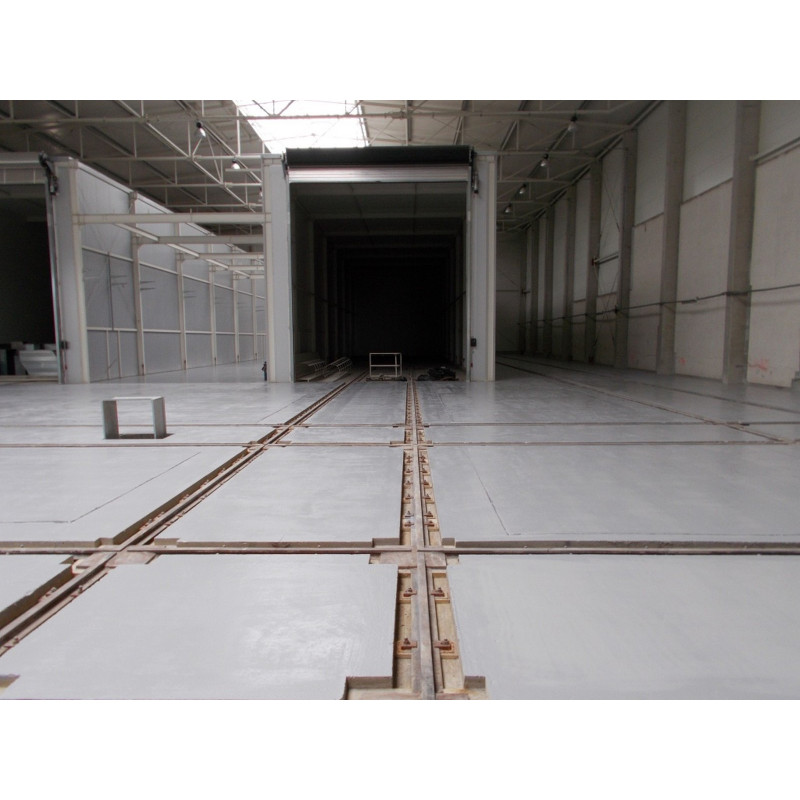
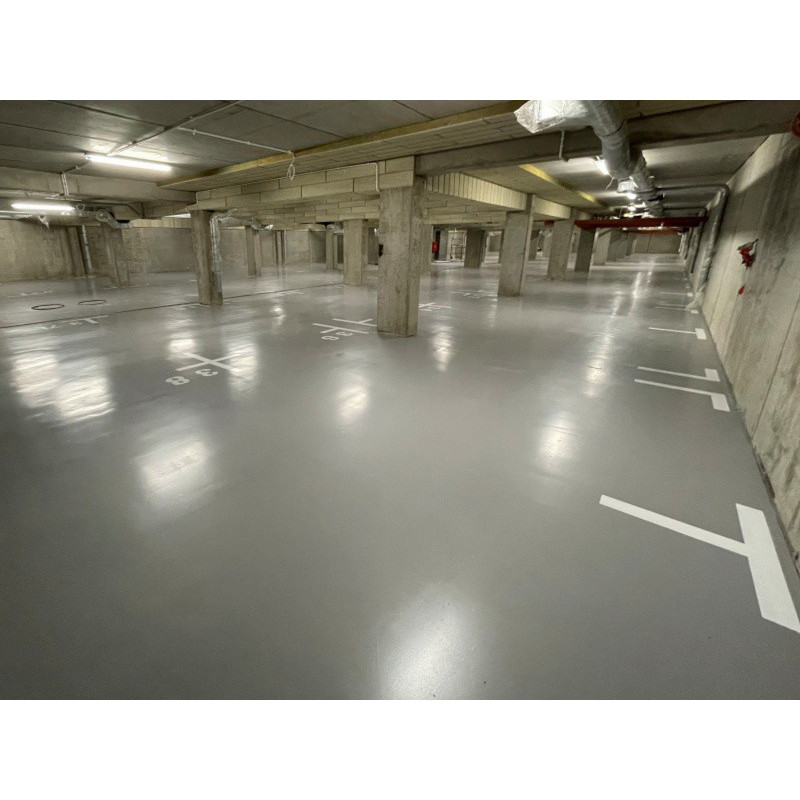
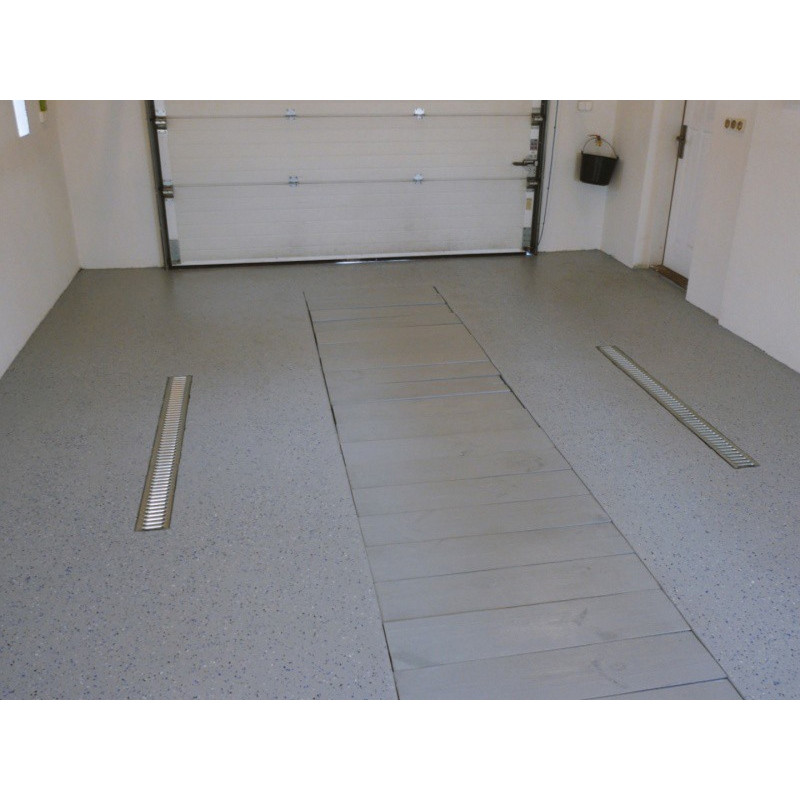
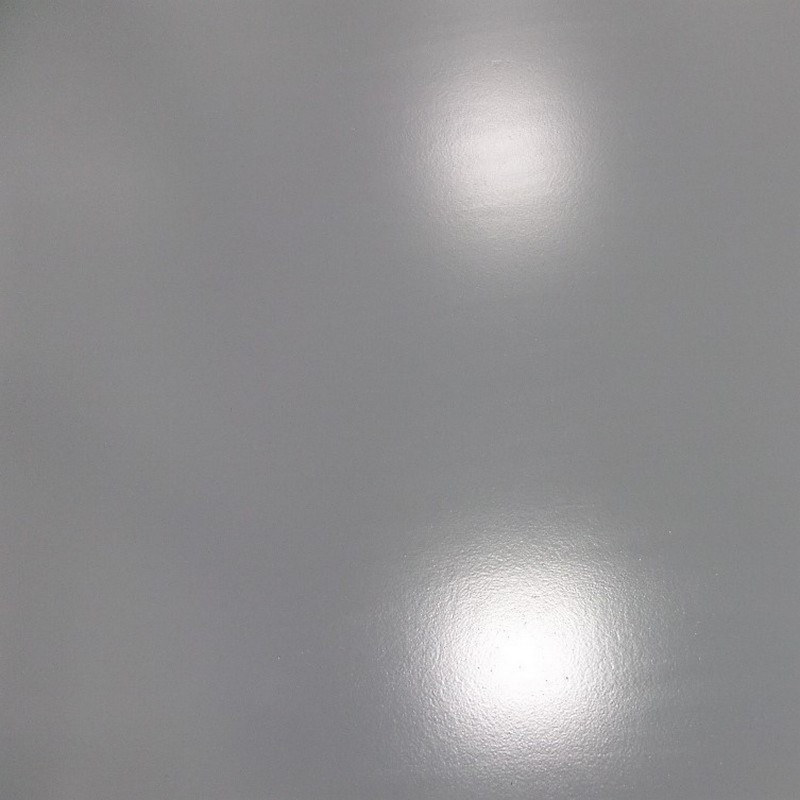
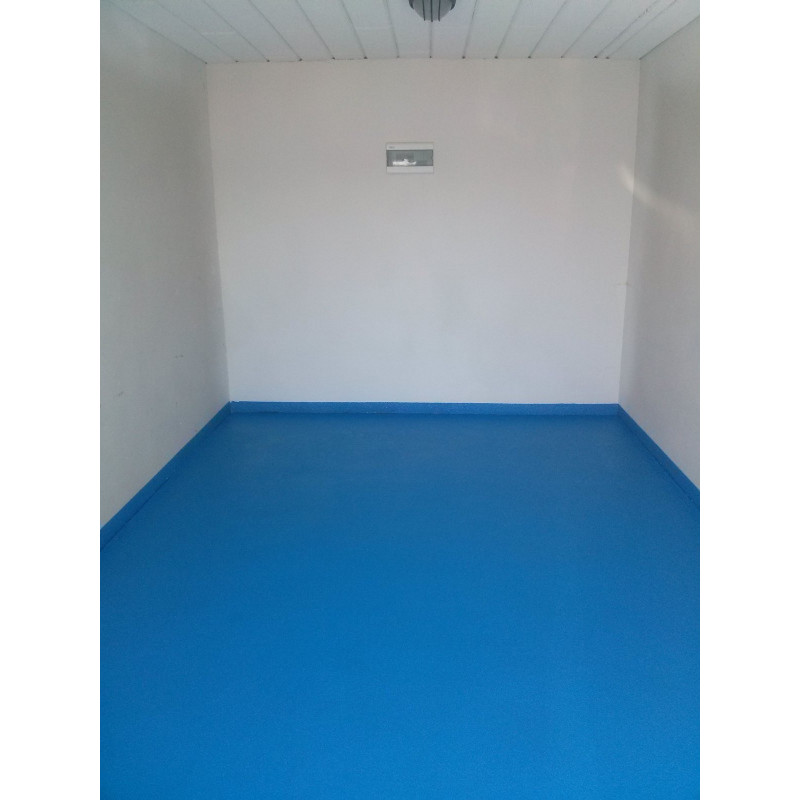
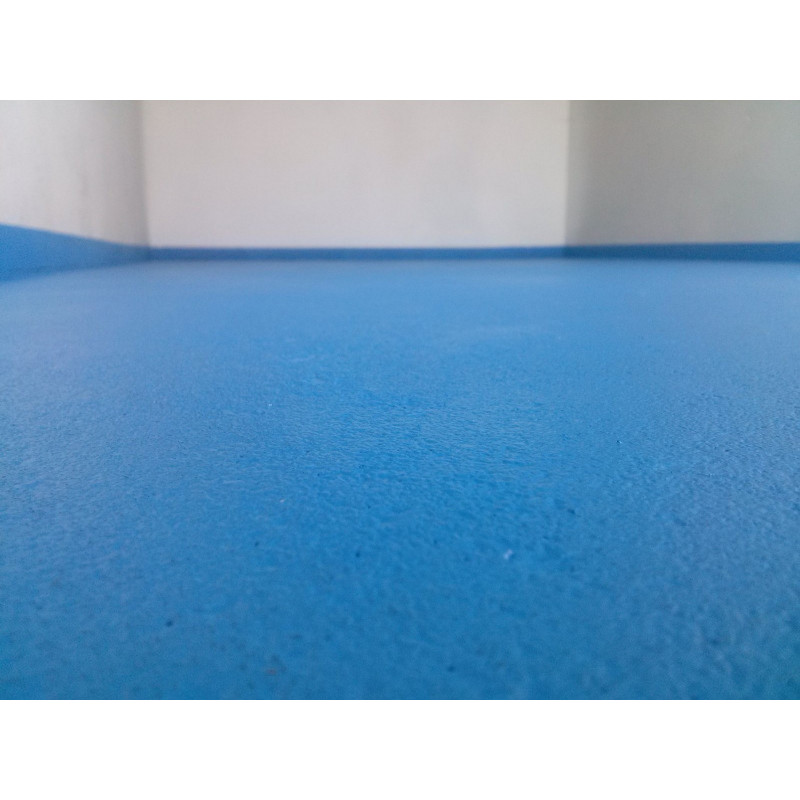
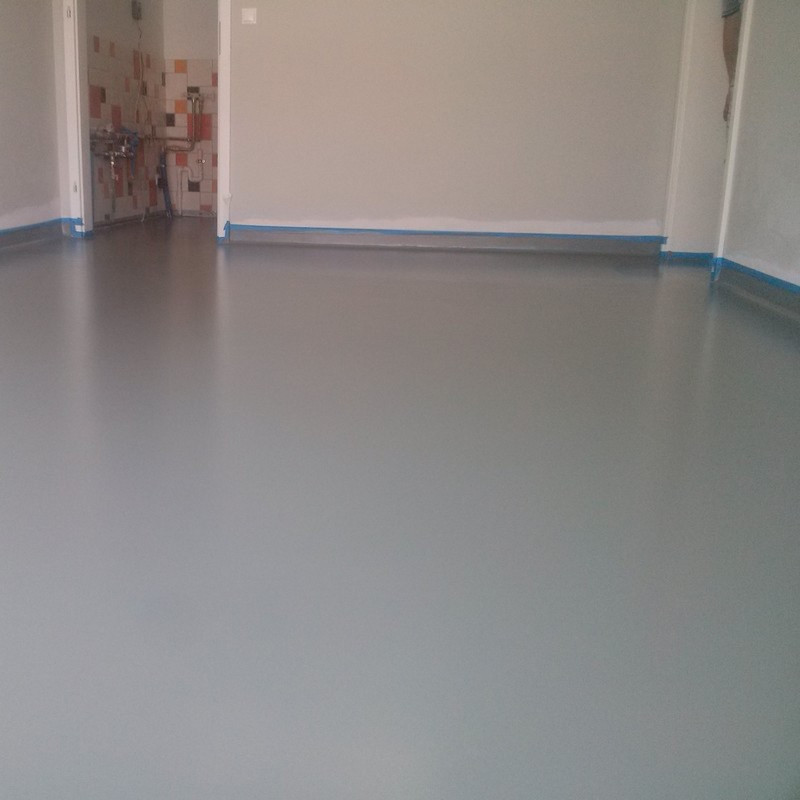
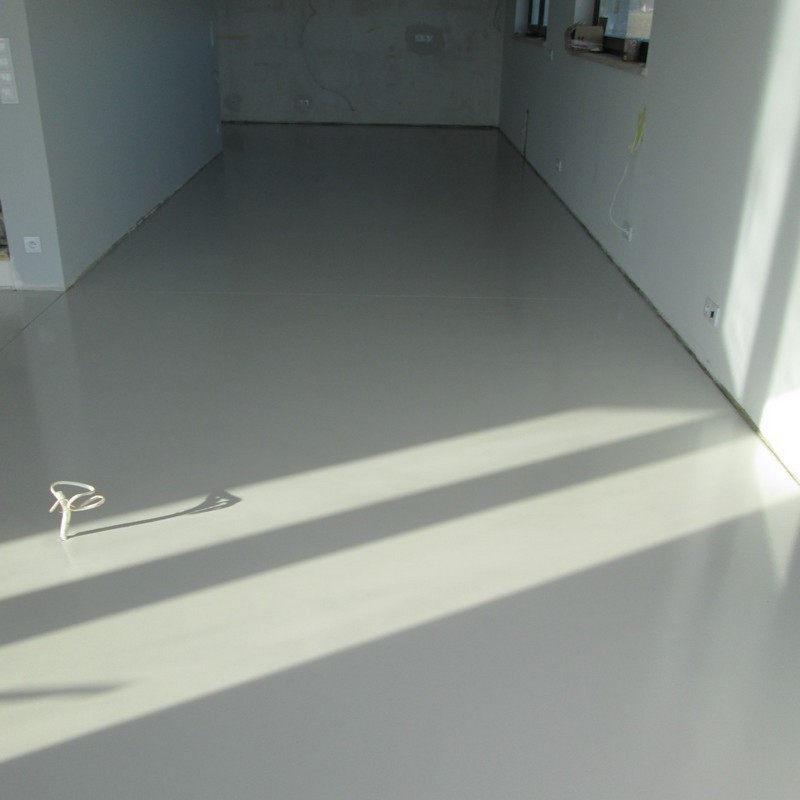
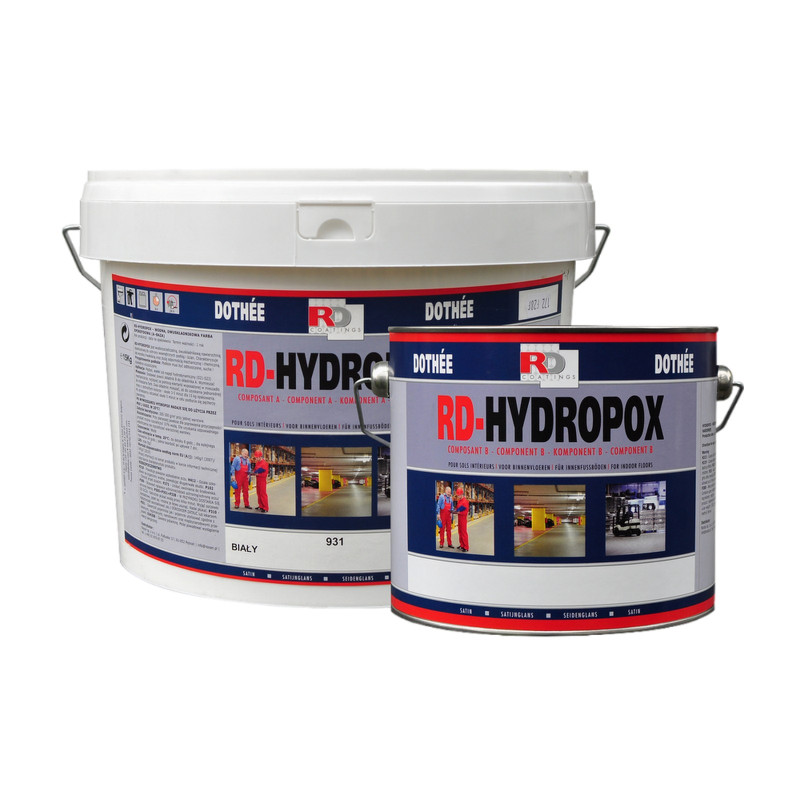
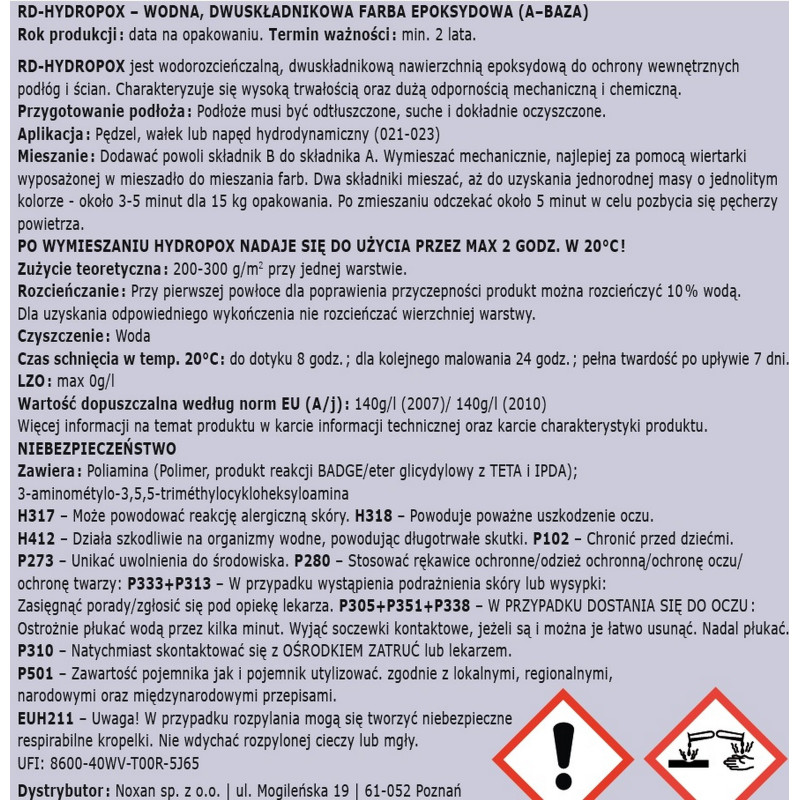
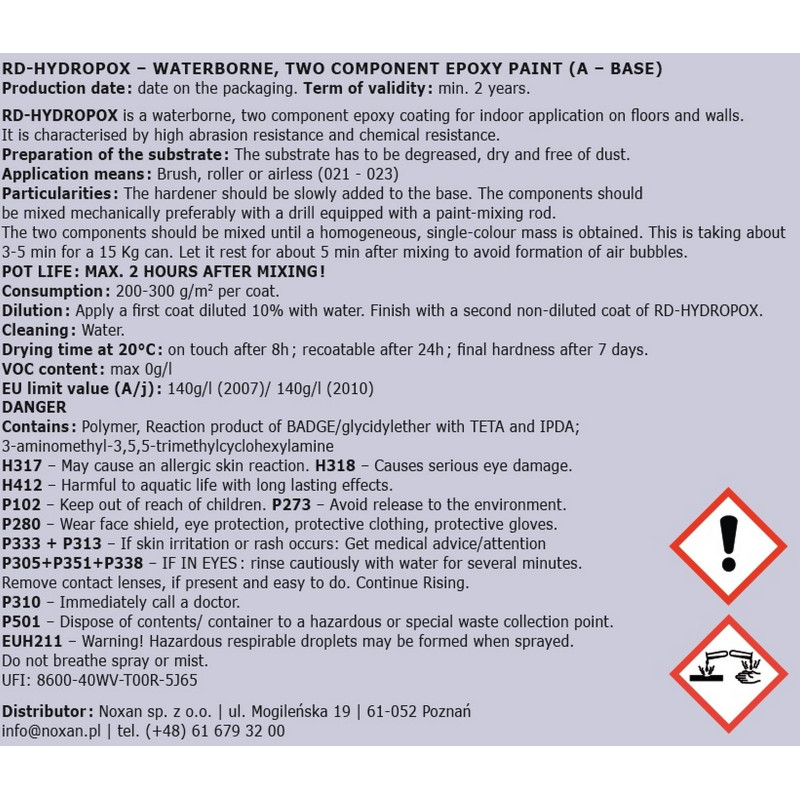
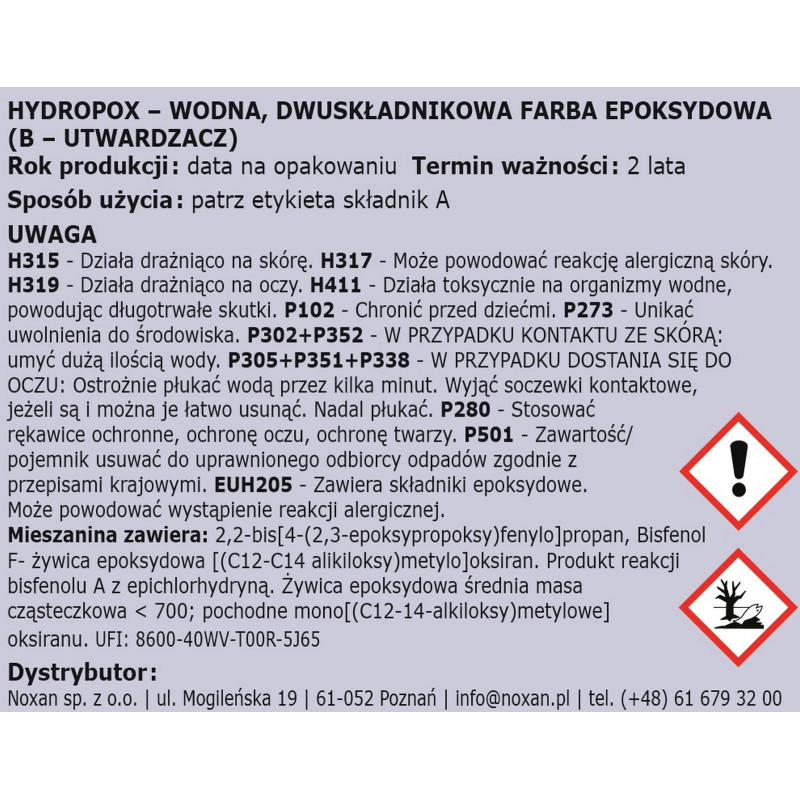
Hydropox creates a durable floor protection. It has high chemical and mechanical resistance. It is a two-component, water-based dispersion of epoxy resins that creates a satin finish.
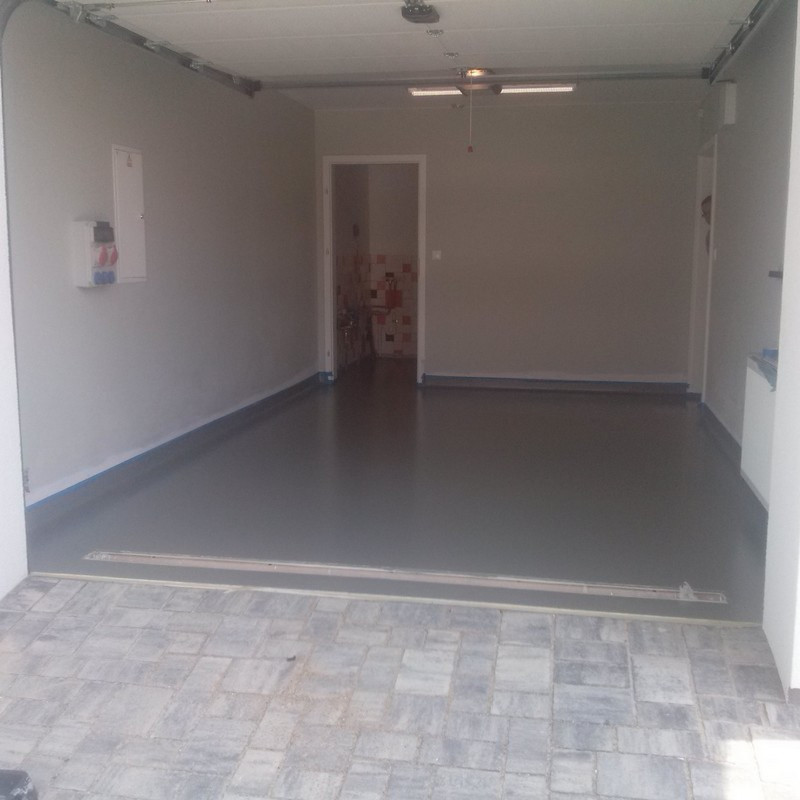
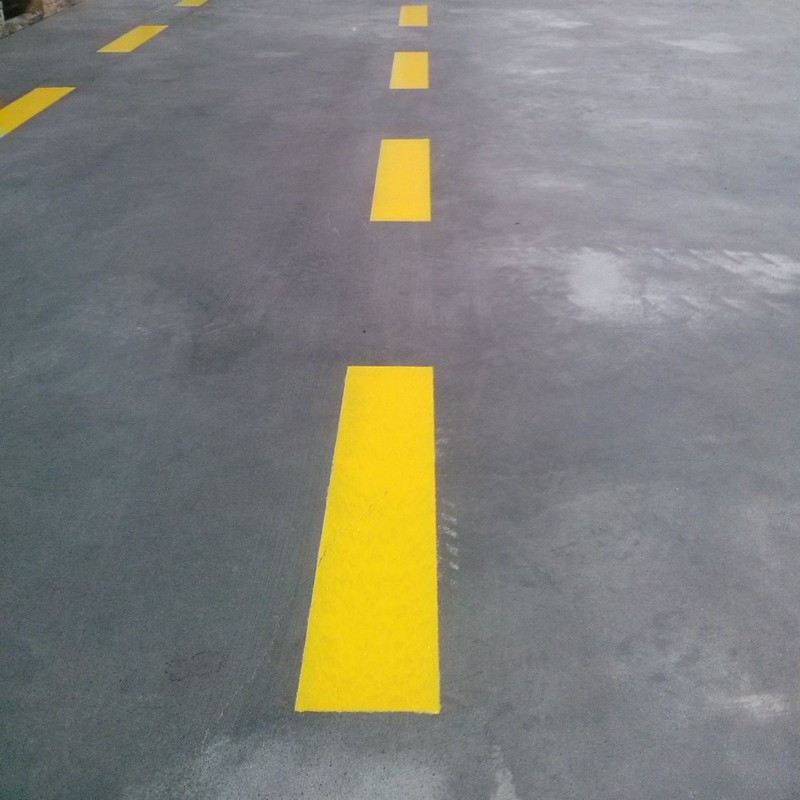
Hydropox flooring is safe and virtually odorless during application - VOC: 0 g/l. It is ideal for protecting floors in:
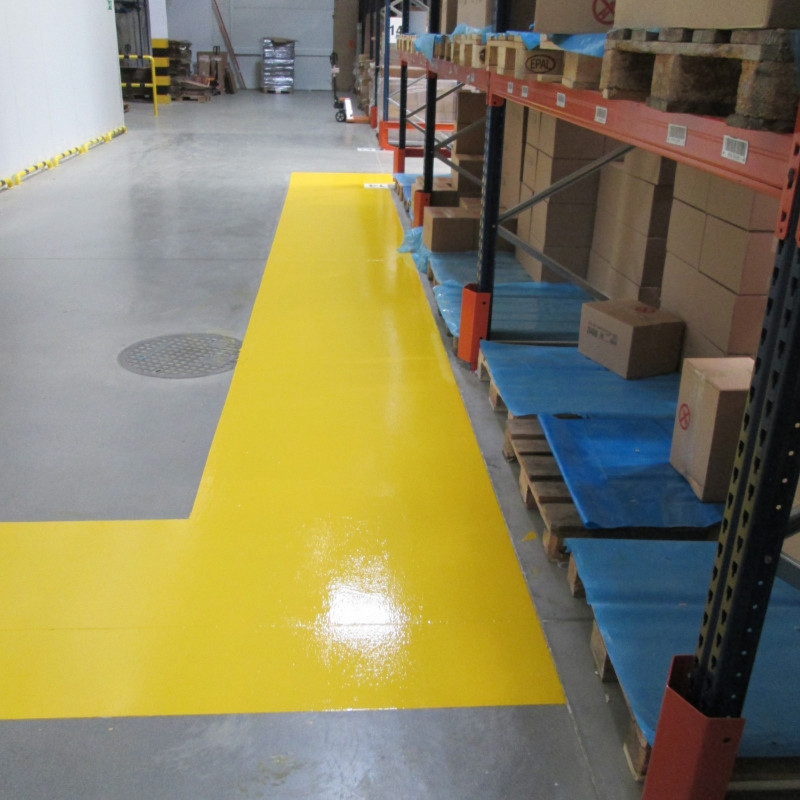
Hydropox flooring is suitable for use with several forklifts for up to 8 hours a day—for heavier use, we recommend ProFloor Plus flooring.
Hydropox epoxy flooring - key properties:
Coverage: 4 - 5 m²/kg with one coat
Standard system for medium-absorbent substrates: 2 x Hydropox 5 m²/kg
More information about Hydropox garage flooring.
We invite you to watch an instructional video showing the application of Hydropox epoxy flooring when protecting a garage floor.
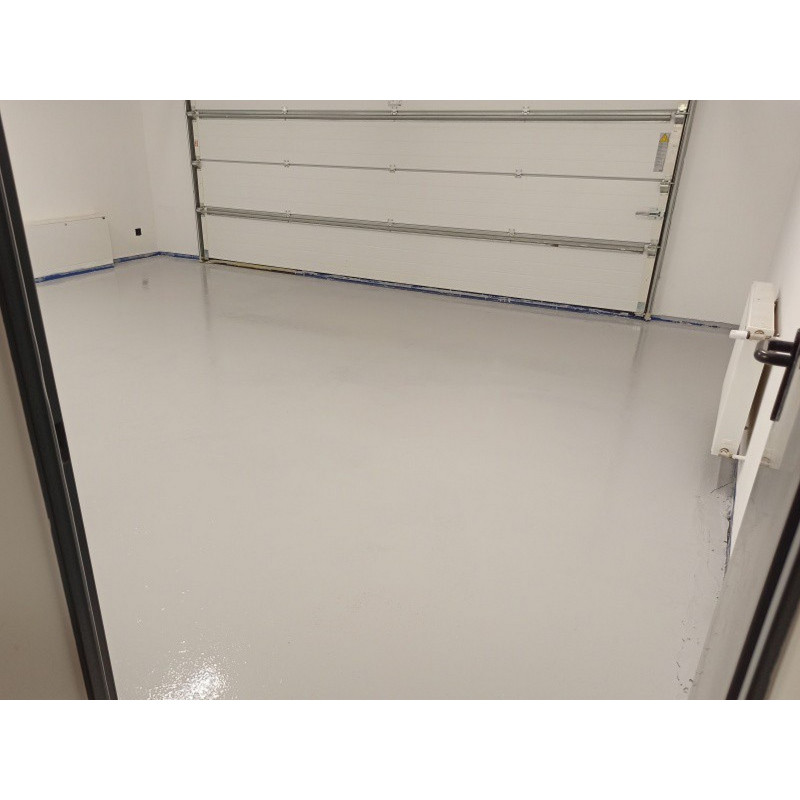
Garage floor - Hydropox epoxy resin
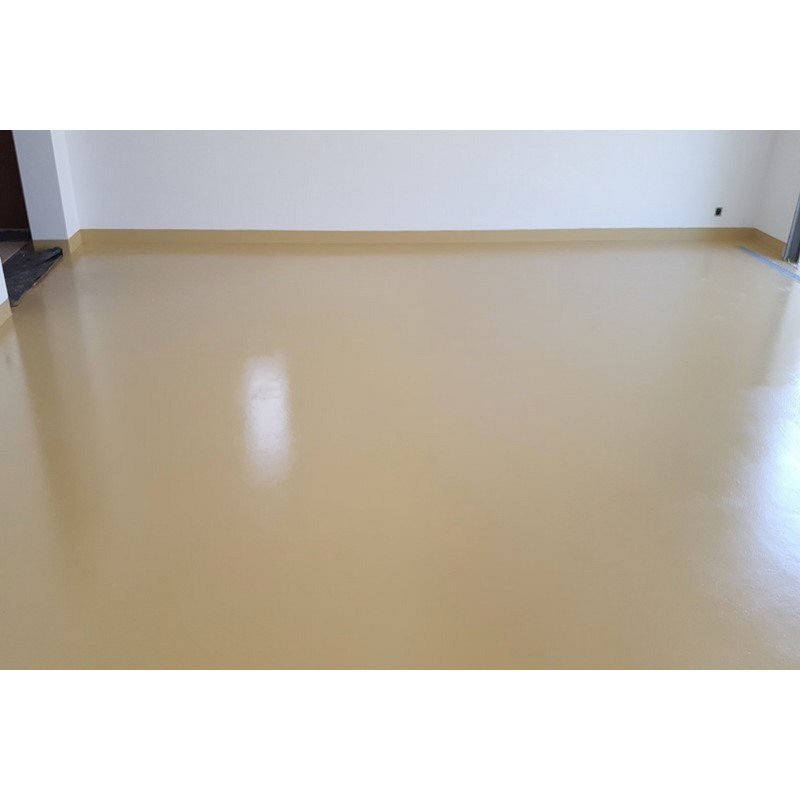
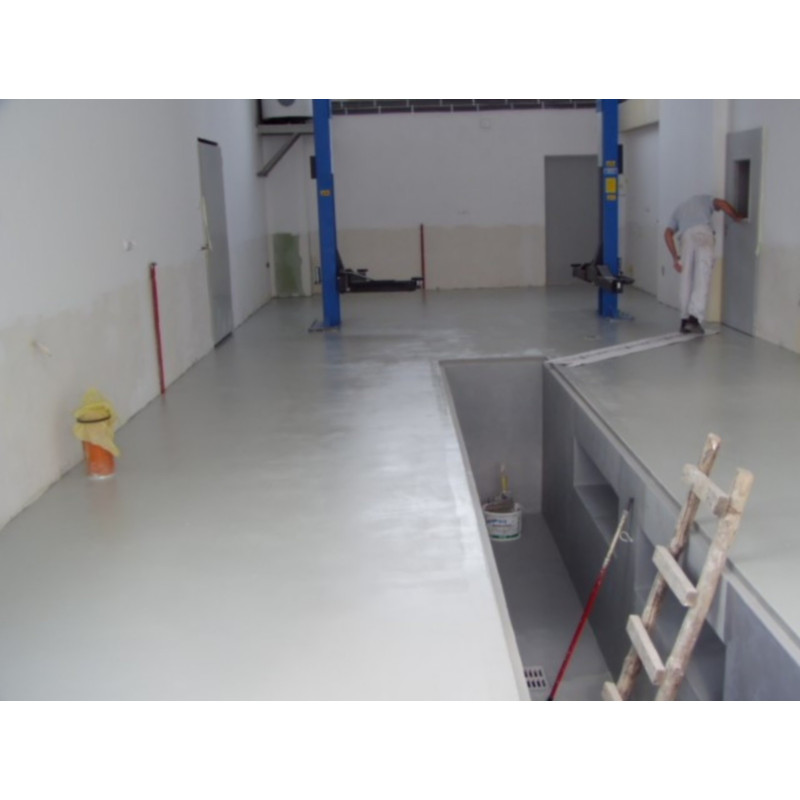
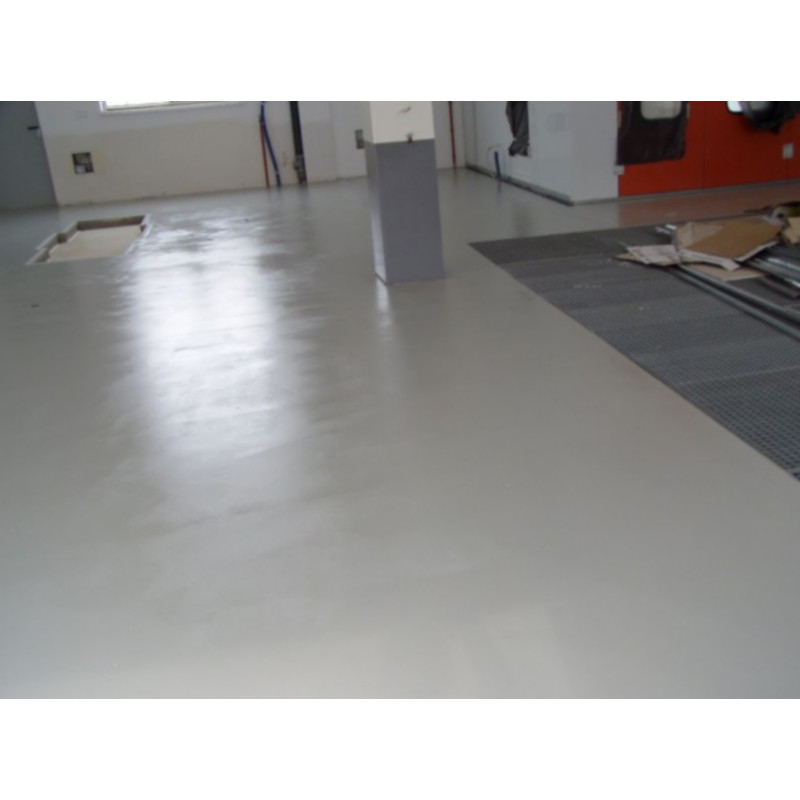
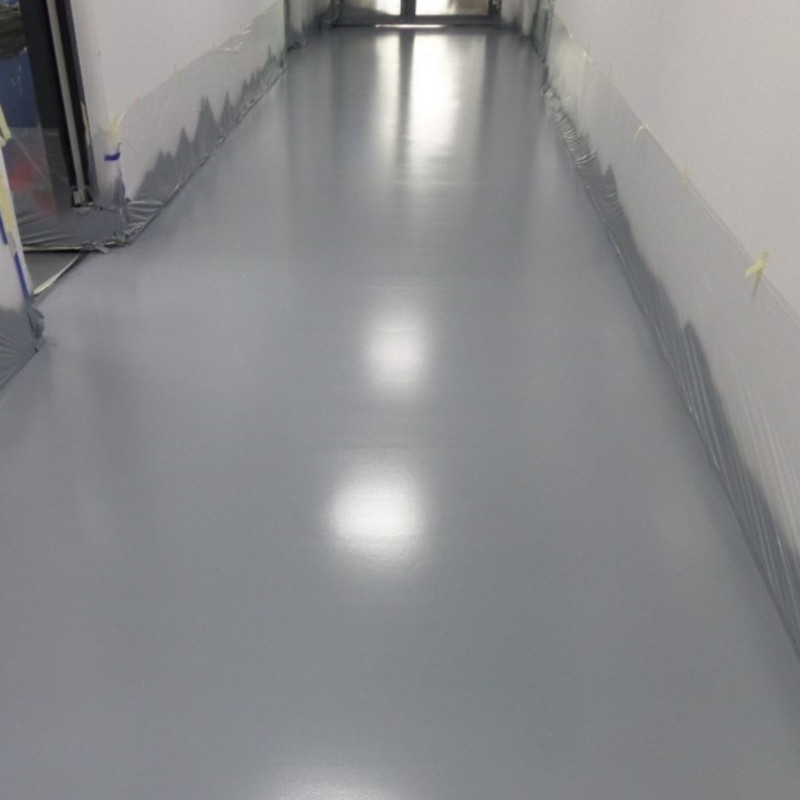
| Floor type: | Example: | System: | Photo: |
| Non-absorbent smooth floors | Resins, tiles, terrazzo - exposed to light and medium loads | 1 x RO 3333 primer 25 m²/l + 2 x Hydropox 5 m²/kg |
 |
| Non-absorbent rough floors | Mechanically troweled or hand-troweled compacted concrete, rough resinous quartz carpets | 2 x Hydropox 5 m²/kg |  |
| Medium-absorbent floors | Self-leveling screeds, mechanically troweled compacted concrete without surface hardening* | 1 x HP Primer W221 8 m²/kg + 2 x Hydropox 5 m²/kg |
 |
| Absorbent concrete floors | Non-compacted concrete, mechanically troweled to a rough finish or hand-troweled, semi-dry concrete, e.g., mixcrete floors | 2 x Hydropox 4 m²/kg |  |
| Demanding floors | Fresh, damp concrete; floors cleaned of oil residues; smooth substrates such as terrazzo, resins, tiles - exposed to heavy loads | 1 x HeavyBond 30-33 primer 4 m²/kg + 2 x Hydropox 4 m²/kg |
 |
Information on the application of Hydropox epoxy flooring:
In most cases, Hydropox garage flooring is applied without a primer. The first coat, diluted with 10% water, creates a very well-adhering primer. The second coat is not diluted. However, in the case of:
Hydropox epoxy floors, like other epoxy resins, have incomplete UV resistance. Light colors, especially white, exposed to sunlight and heat may yellow over time. To fully reduce the yellowing effect, Hydropox should be finished with Hydrograff HP varnish.
The above Hydropox garage flooring systems are general recommendations. Each project should be treated individually. If you have any doubts, please contact us so that we can select the right system for your specific floor.
How to make a garage floor?
If you are wondering how to protect your garage floor, please read our specially prepared technical advice. In the article, we show you how to apply Hydropox garage flooring step by step and more. Along with photos, we also present important technical issues.
You can find the link to the advice here.
We hope you enjoy reading it, and if you have any questions, please contact us.

Epoxy floor with a decorative appearance
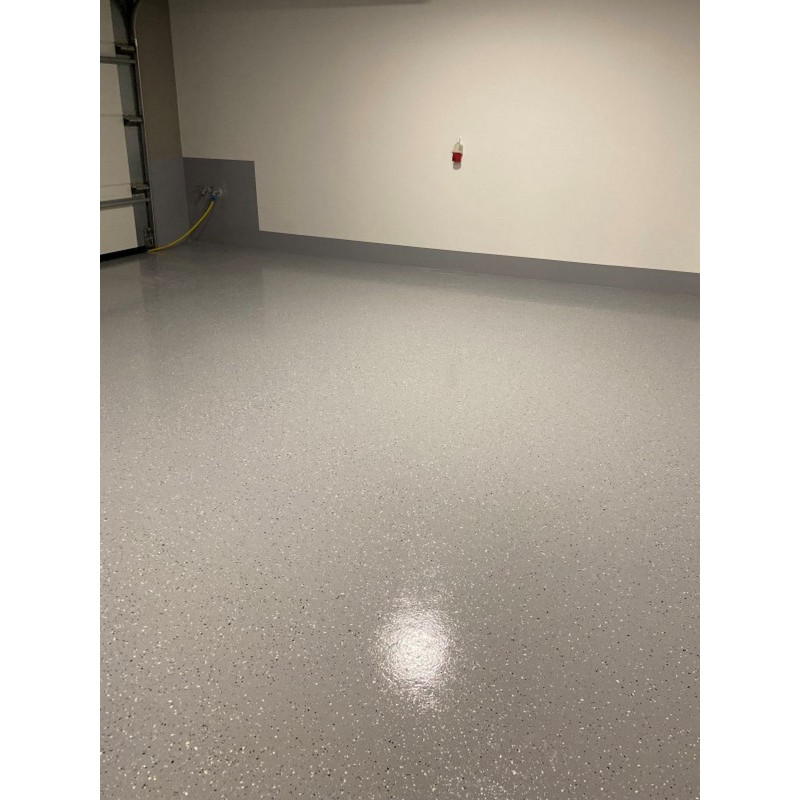
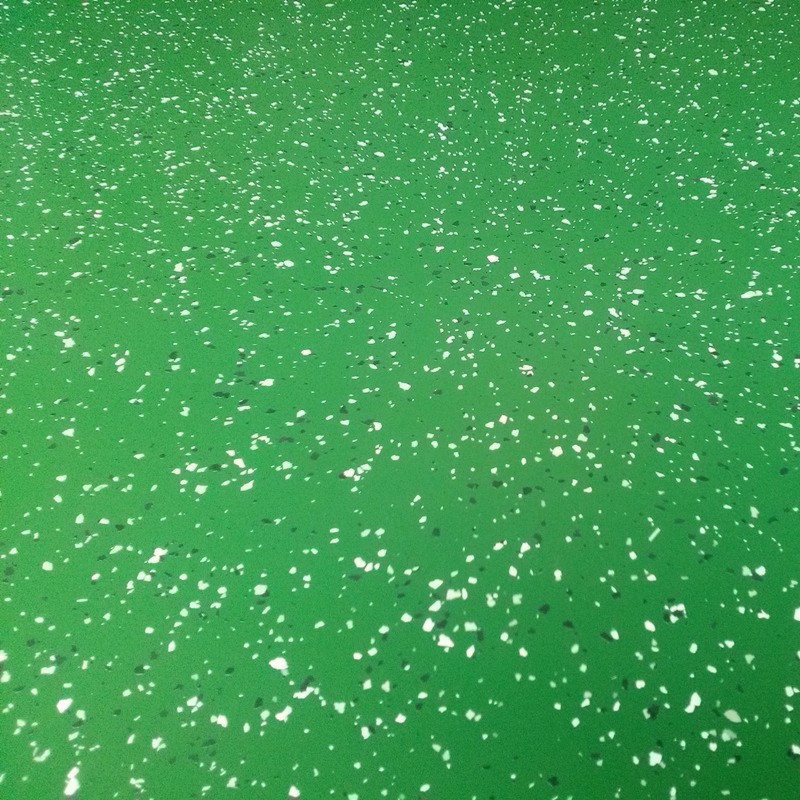
Decorative flakes scattered on resin floors help to mask unevenness and imperfections in the substrate and create an interesting aesthetic effect. The use of decorative flakes also provides an additional, slight anti-slip effect. The floor remains easy to clean.
We offer decorative flakes in various colors - see here.

Epoxy floor with anti-slip additive
The slip properties of Hydropox garage flooring are similar to those of floor tiles. If the floor is usually dry, it is sufficient to use Hydropox without an anti-slip additive.
However, if the floor is exposed to frequent spills (water, oil, etc.), we recommend adding NS 200 anti-slip additive when applying the first coat of Hydropox (or sprinkling it on the first wet layer of Hydropox - see How to apply anti-slip additives). Then cover the entire surface with a second layer of Hydropox.
The system: Hydropox + NS 200 anti-slip additive + Hydropox has been tested for slip resistance in accordance with PN-EN 13036-4 and has obtained a pendulum roughness index PTV: 75 in dry conditions; 66 in wet conditions; R12.
Additional comments:
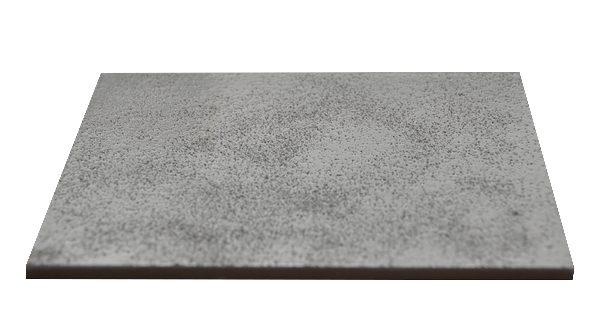
NS 200
anti-slip additive
Polyurethane varnish finish
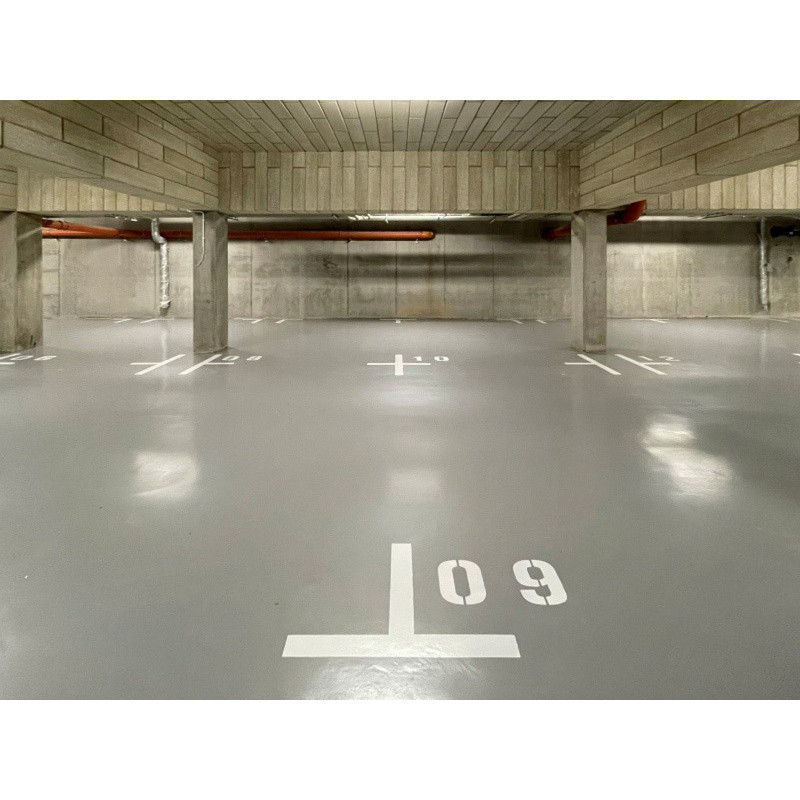
Hydropox epoxy flooring provides a very aesthetic satin finish. Hydropox is a suitable solution for most halls, warehouses, garages, and parking lots.
In places where aesthetics are particularly important, e.g., exhibition halls, showrooms, etc., Hydrograff HP polyurethane varnish can be used for finishing. Hydrograff HP reduces scratches on the floor and increases its resistance to abrasion and UV radiation. The varnish also allows you to obtain a resin floor in 3 finishes: gloss, satin, and matte.
For more information on Hydrograff HP polyurethane varnish, see here.


Why does the can say that the paint weighs only 0.99 kg, 0.97 kg, or 0.93 kg?
The total weight of the paint consists of the weight of the base and the weight of the pigment.
The total weight depends on the color, but is very close to 1 kg.
The exact weight of a 1 kg package, depending on the color, is presented in the table on the right/below.
The volume of 4 kg and 15 kg packages varies accordingly.
If you have any questions, please contact us.


