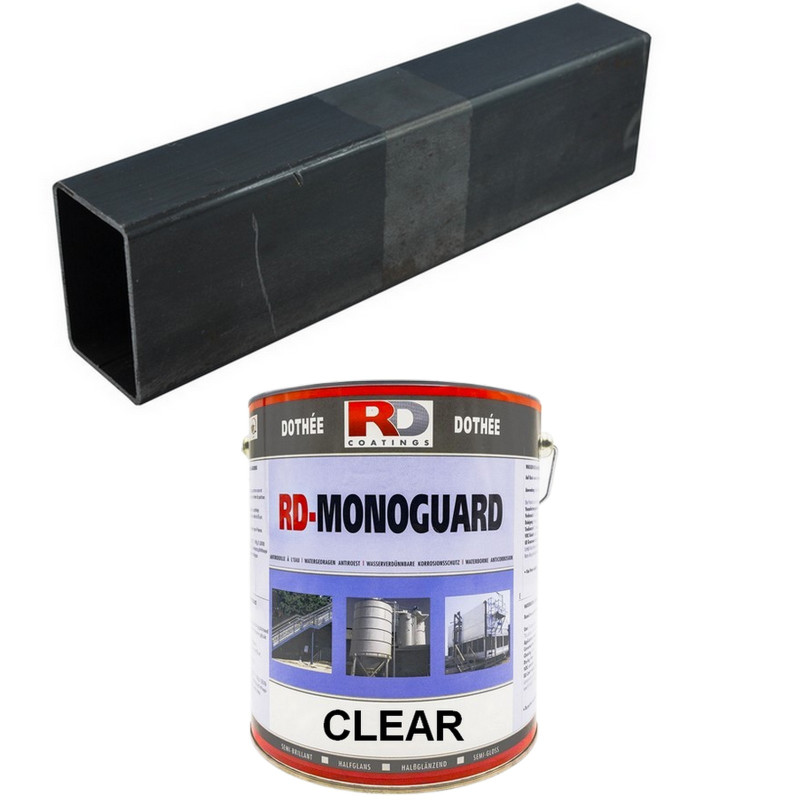
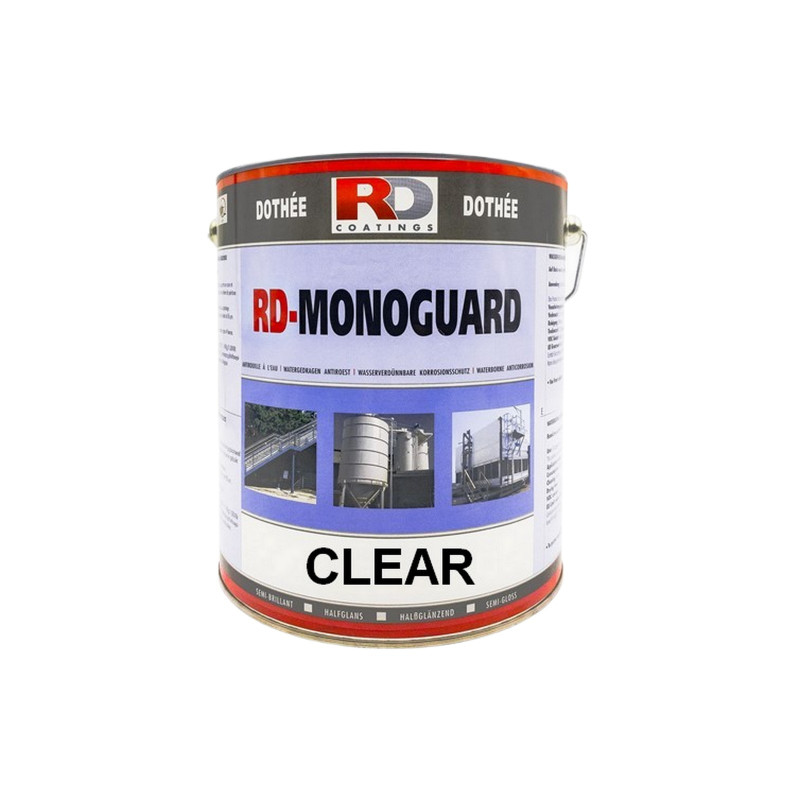
Monoguard Clear is a highly durable, water-based, colorless 2-in-1 anti-corrosion varnish that combines the properties of a primer and a topcoat.
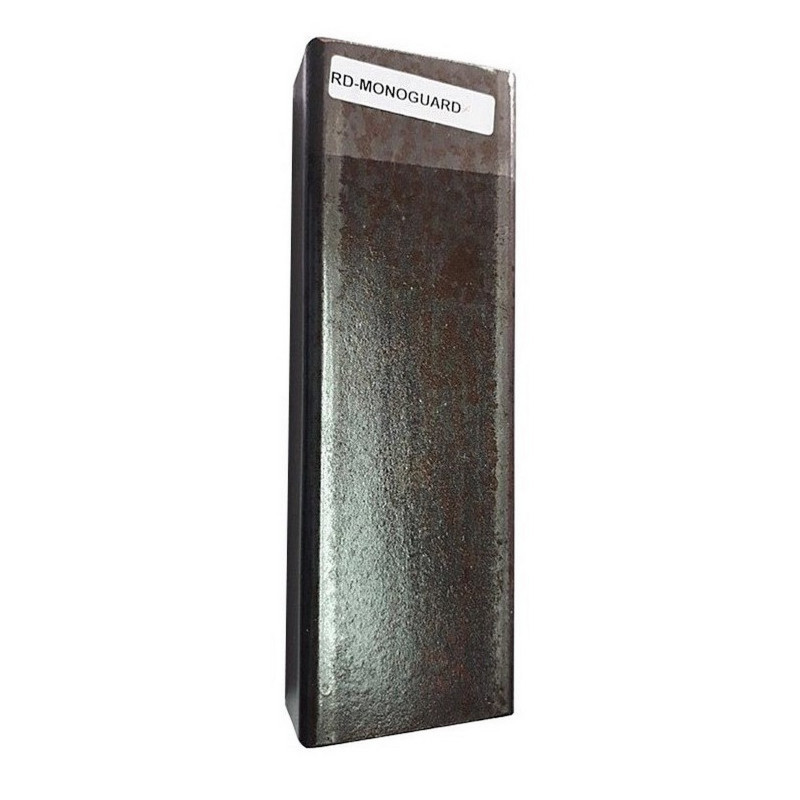
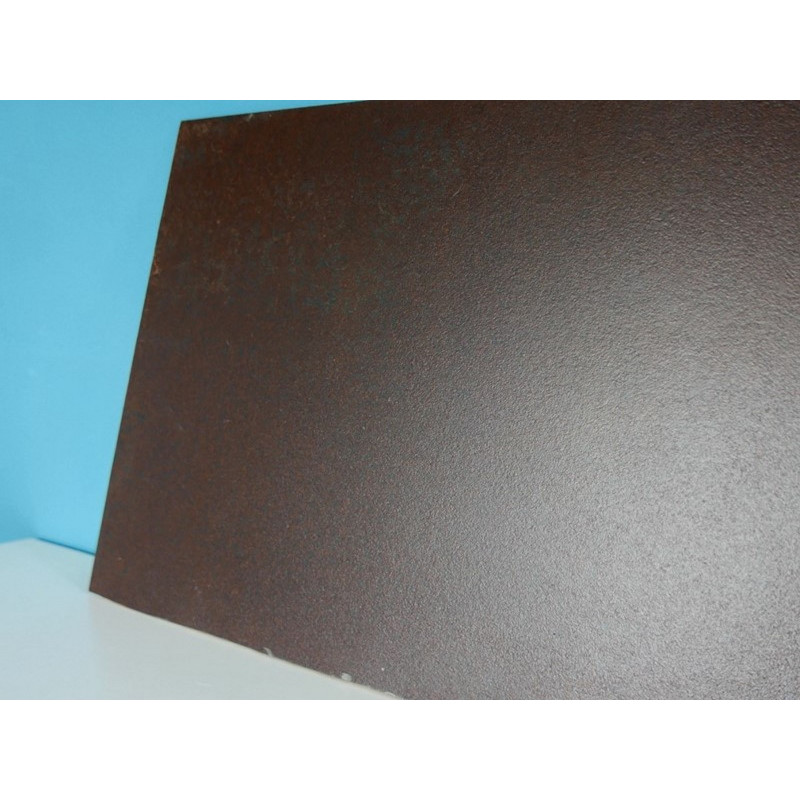
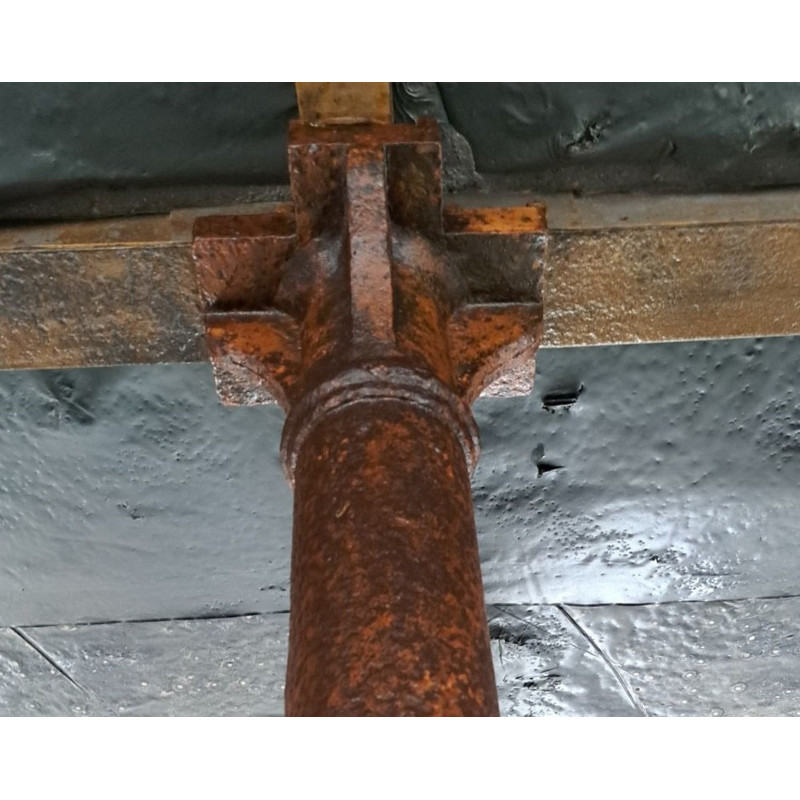
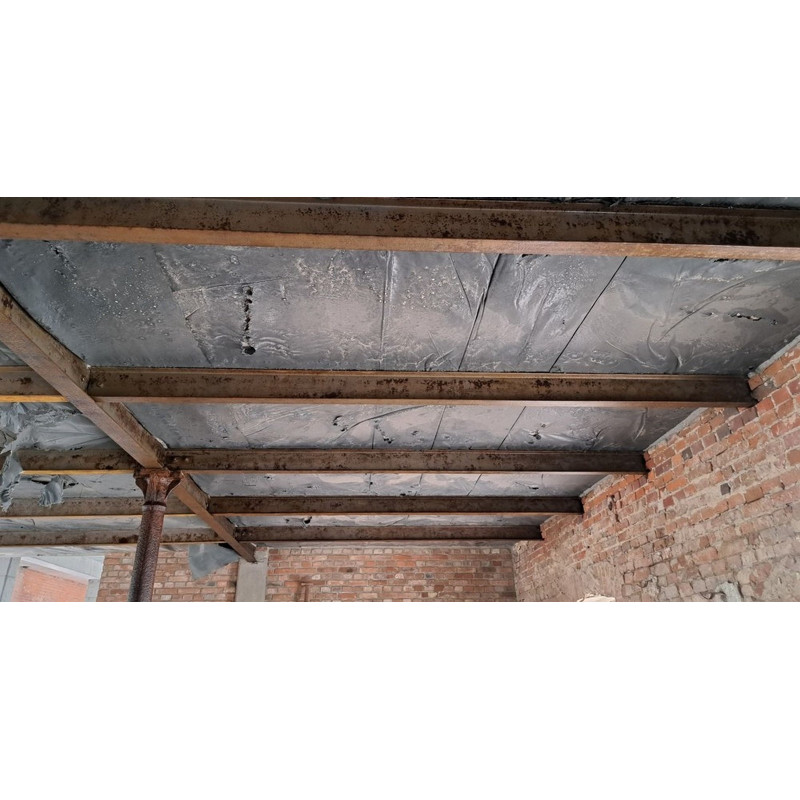
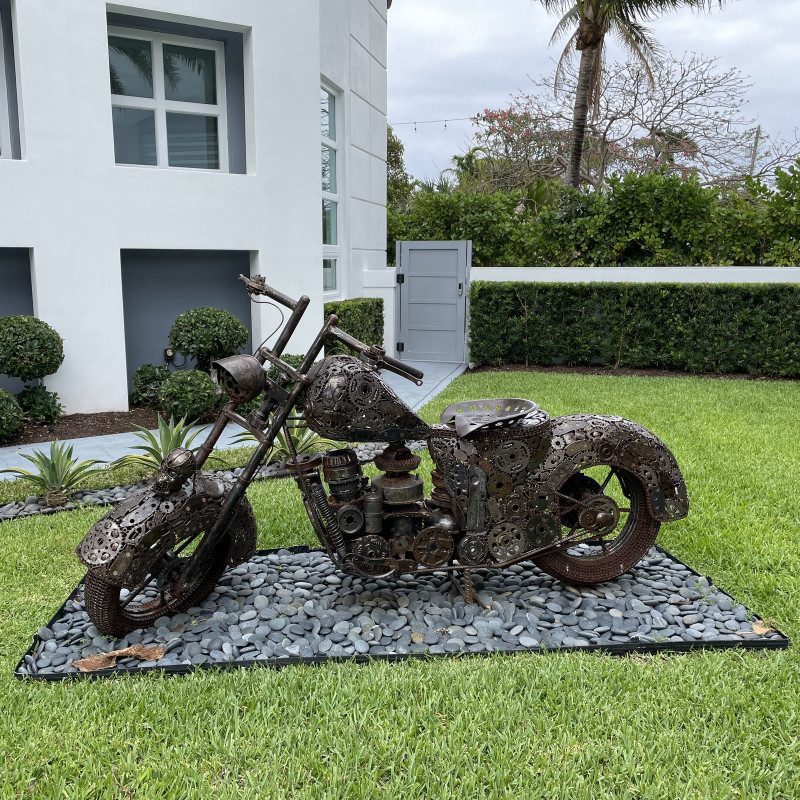
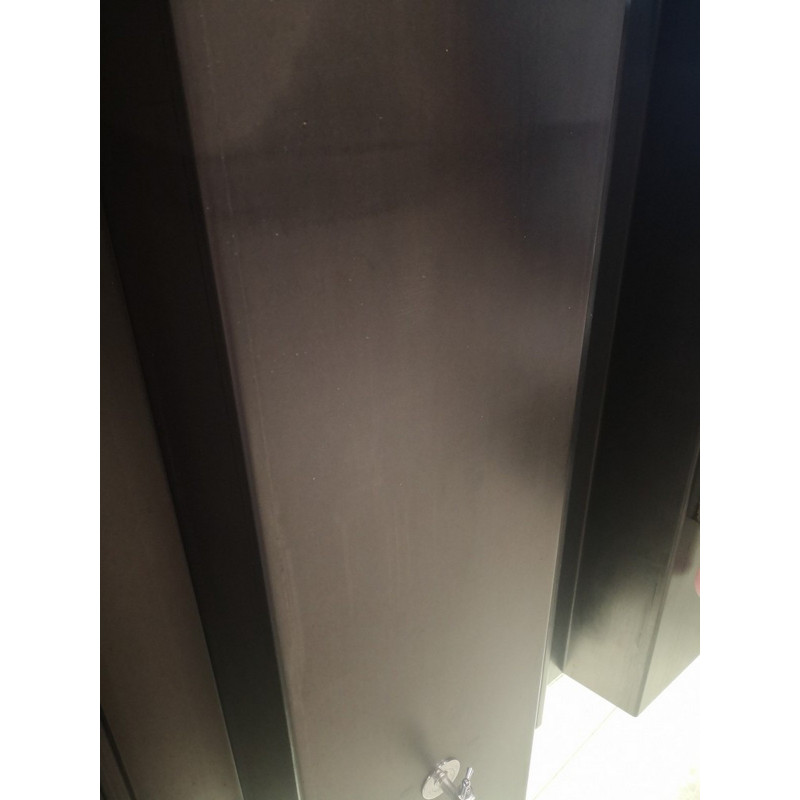
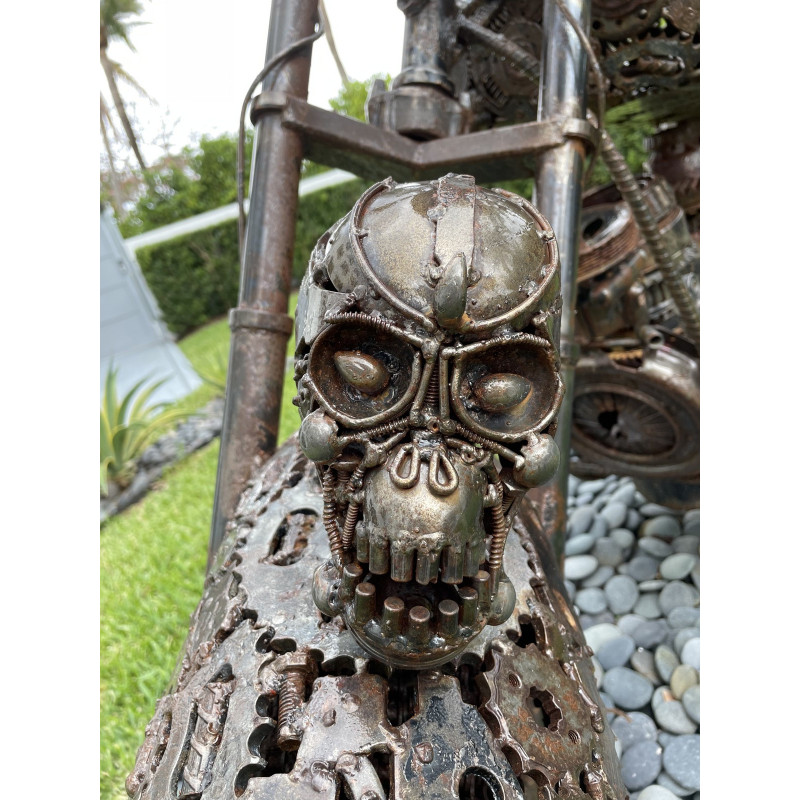
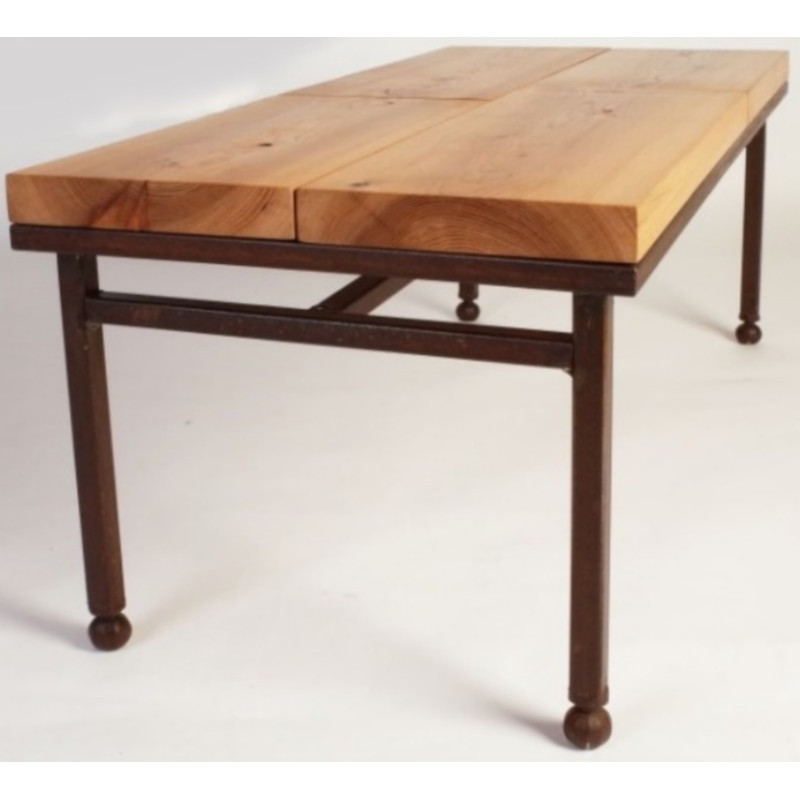
Monoguard Clear anti-corrosive varnish provides long-lasting protection against corrosion and external conditions. The varnish does not crack, peel or yellow. It allows you to preserve the effect of raw or rusted metal. It is ideal for both small jobs and large architectural projects.
long-lasting corrosion protection in C4, C3, and C2 environments
excellent adhesion to many ferrous and non-ferrous metals, including: steel*, cast iron*, zinc, aluminum**, copper**, etc. (** appropriate substrate preparation may be required - more information)
very good protection against outdoor conditions, UV rays, temperature changes
good flexibility
does not yellow, peel or crack
water-soluble - low VOC content
based on a new generation of acrylic resins and special anti-corrosion substances
dries very quickly - touch dry in 2 hours; recoatable in 4 hours
Thanks to the above properties, Monoguard Clear anti-corrosion varnish is ideal for protecting, among others:
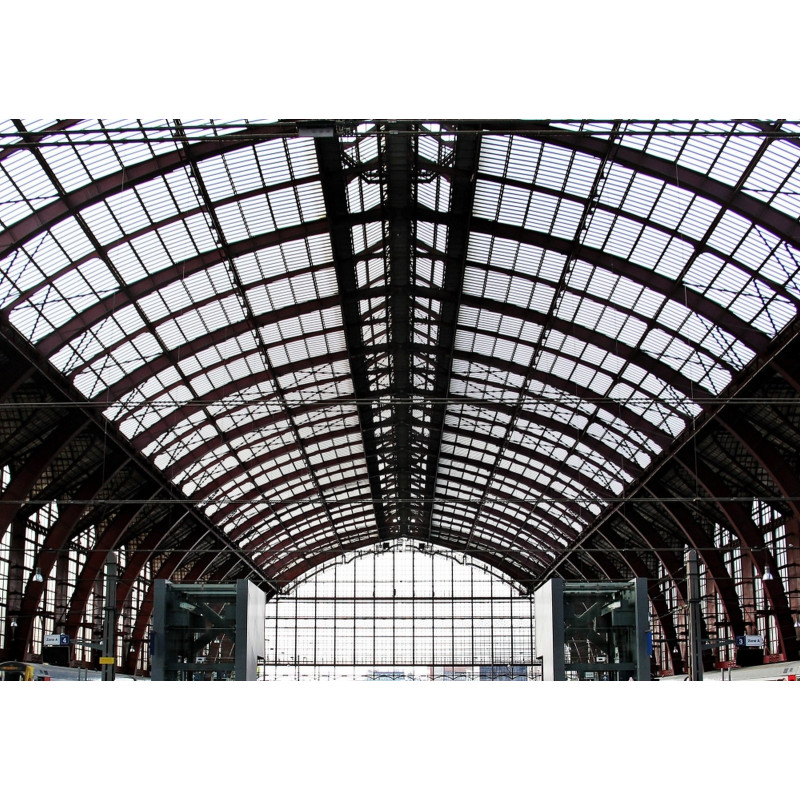
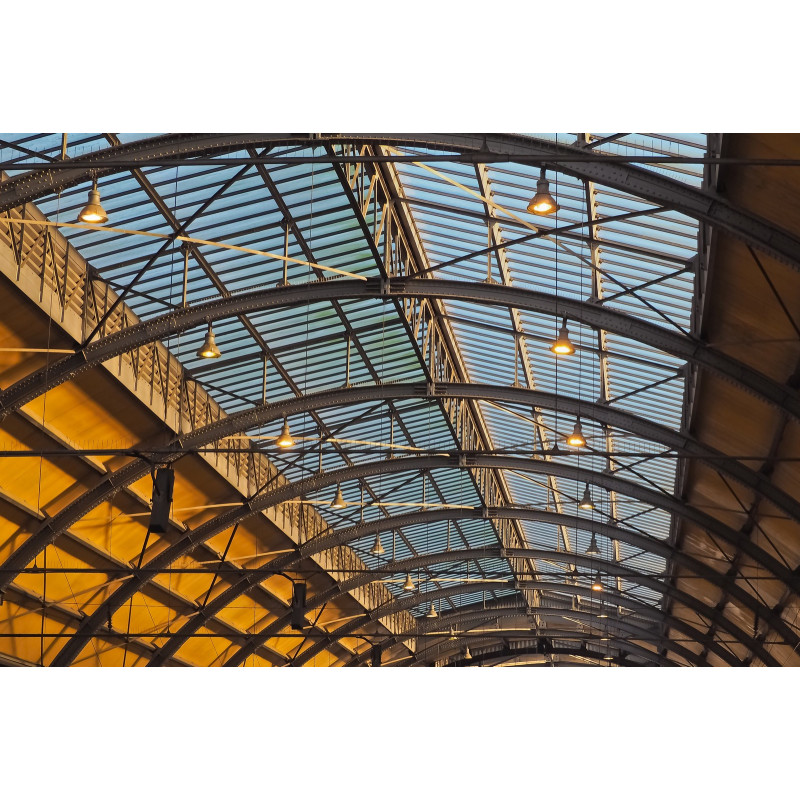
metal structures: flyovers, pipelines, towers, supports
external cladding: silos, tanks in production plants, refineries
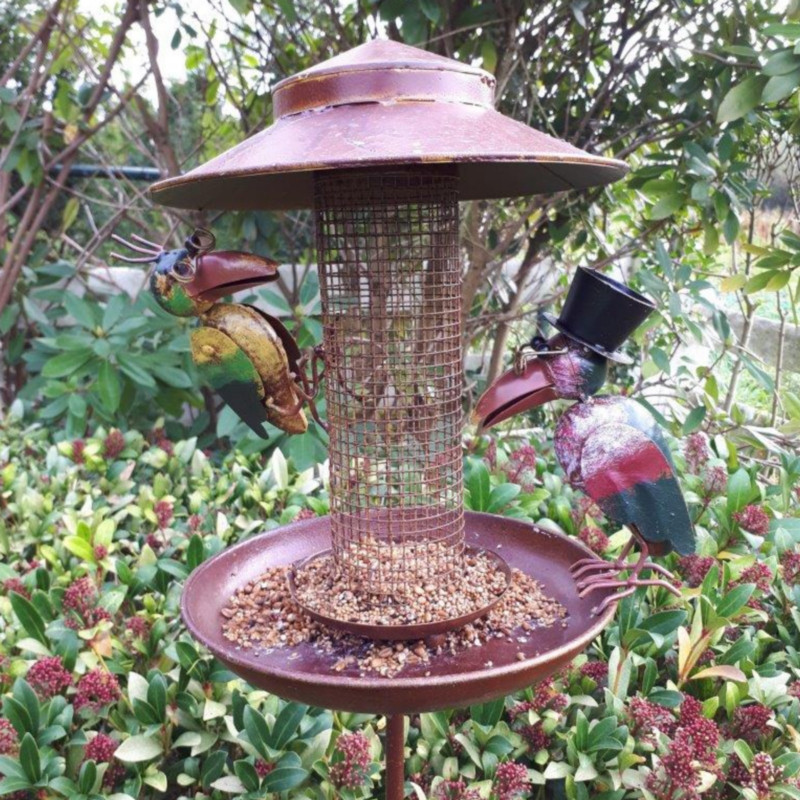
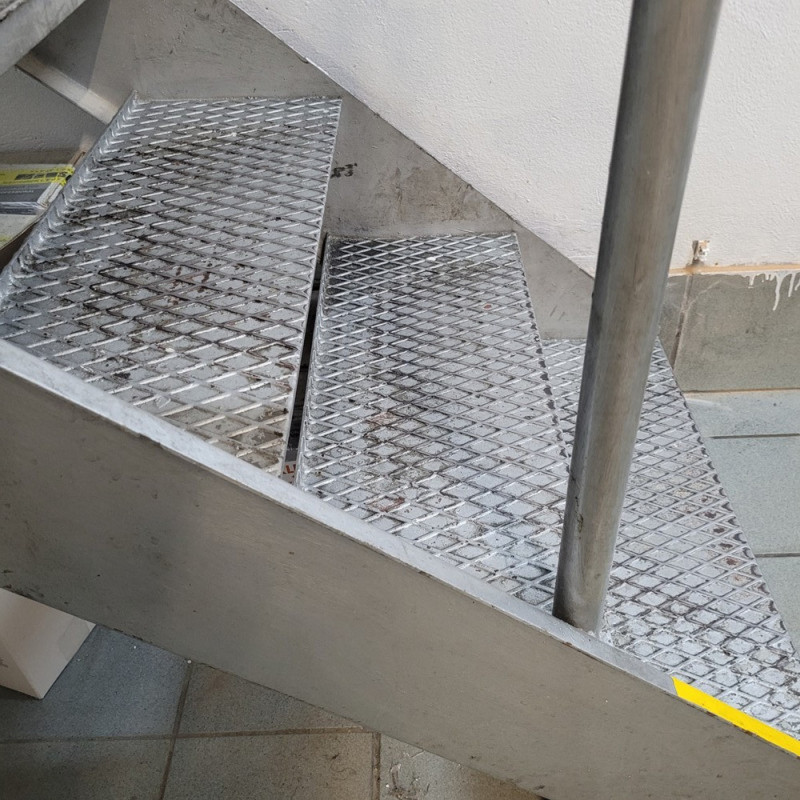
small metal elements: railings, fences, barriers, racks, doors
equipment: construction cranes, tankers, trailers, salt spreaders, containers, etc.
Adhesion of Monoguard Clear to ferrous and non-ferrous metals:
Adhesion to ferrous metals:
Monoguard Clear anti-corrosion varnish has excellent adhesion to ferrous metals—steel and cast iron—similar to Monoguard anti-corrosion paint.
The adhesion of Monoguard Clear increases over time. Weeks and months after application, the innovative ingredients inside the coating continue to increase the bond, reaching levels of up to 17 MPa / 2500 PSI when performing a pull-off test in accordance with ISO 4624 (substrate adhesion test). These values significantly exceed the 7 MPa / 1000 psi regularly required by many industry specifications.
The excellent adhesion of Monoguard Clear also actively contributes to the protection of steel against corrosion. Because the coating adheres so well to the surface, it is more difficult for rust to begin its damaging expansion. The bond works so well that rust simply does not have enough strength to push the coating away and come into contact with the bare metal surface to which Monoguard Clear has literally bonded itself.
This is also a big advantage in the event of local damage to the coating, as rust will not be able to spread easily.
Steel plates 3.9, 3.11, and 3.12 protected with Monoguard anti-corrosion paint after 1,440 hours of testing in neutral salt spray
* Note on the application of Monoguard Clear varnish to clean black steel and cast iron:
The following note applies only to application on non-corroded ferrous metals (steel, cast iron). It does not applyto application on non-ferrous metals (aluminum, copper, zinc, stainless steel, etc.).
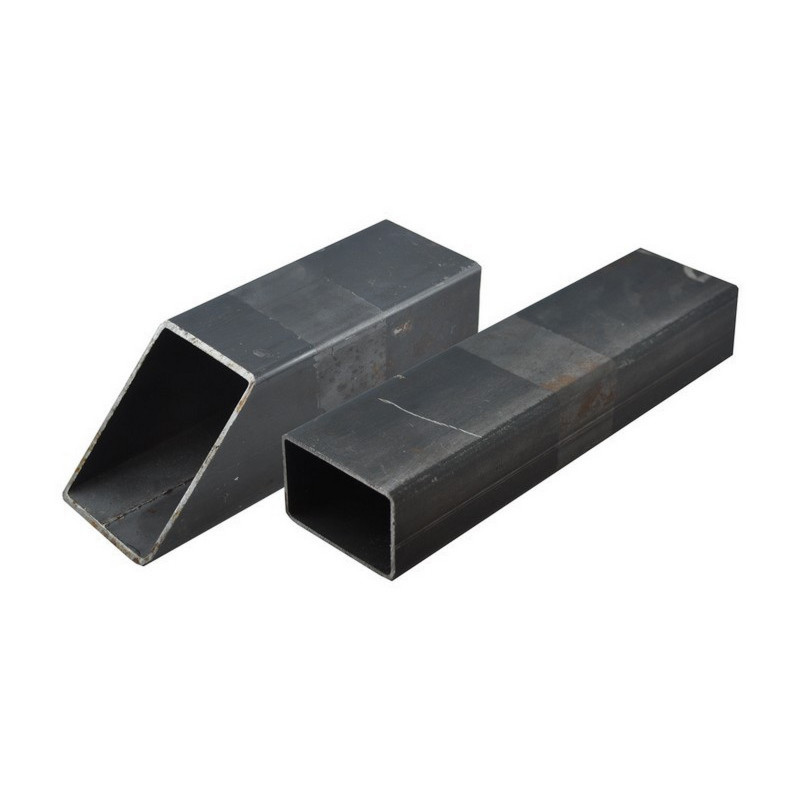
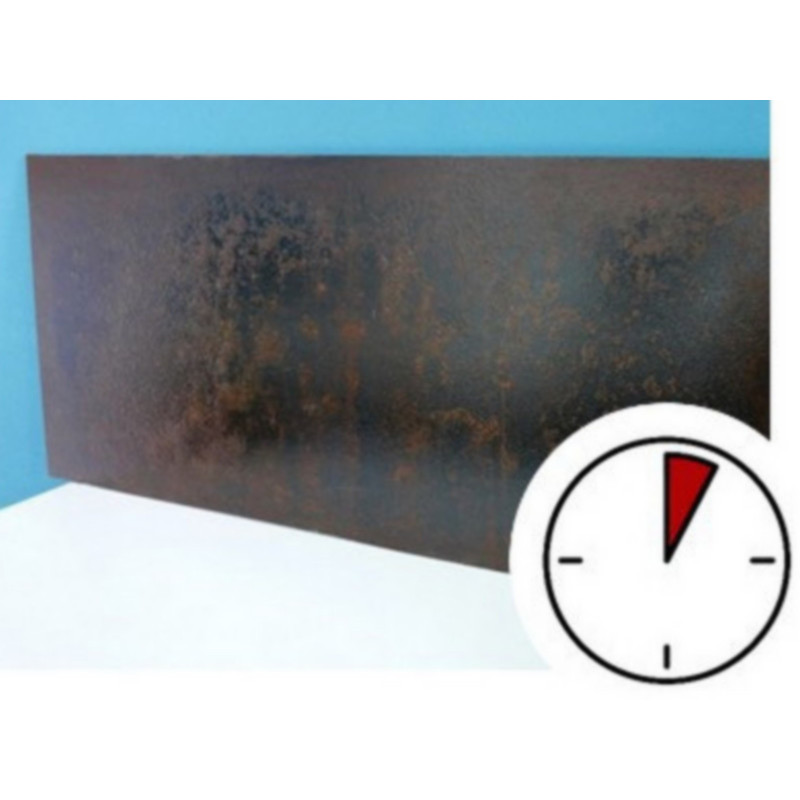
Monoguard Clear varnish is a water-based product. When applied to non-corroded cast iron and steel, the water evaporating from the varnish may activate rust. This means that small rust spots will appear immediately after painting. To reduce this risk, do not apply the varnish in high humidity conditions. Steel should also not be sandblasted before applying the varnish. Sandblasting activates the steel and increases the risk of rust spots after applying water-based varnish. In addition, we recommend using RD-Eco PowerClean to clean steel, which, thanks to additives that prevent rust formation, reduces the formation of small rust spots after cleaning the steel and during varnish application.
If you want to achieve a rust-free effect on ferrous metals, we always recommend testing the paint on a smaller element to confirm that the painting technique allows this.
** Adhesion to non-ferrous metals:
For non-ferrous metals, Monoguard Clear anti-corrosion paint has excellent adhesion to galvanized steel and stainless steel. For other metals, such as copper or aluminum, special substrate preparation may be required for best adhesion.
Detailed information is provided in the tables below.
Key:
GT is the result of testing using the Cross Cut method;
The best adhesion is GT0. The following numbers (1, 2, 3) indicate poorer adhesion (the higher the number, the poorer the adhesion);
Conclusion: Monoguard Clear exhibits excellent adhesion on galvanized steel. No acid substrate preparation is required.
STAINLESS STEEL
Product
Substrate preparation
Adhesion
Monoguard Clear
water + detergent
GT0
Conclusion: Monoguard Clear exhibits excellent adhesion on stainless steel. No acidic substrate preparation is required.
ALUMINUM
Product
Substrate preparation
Adhesion
Monoguard Clear
water + detergent
poor (adhesion is poor if we only clean and wash the substrate)
diluted sulfuric acid + rinse with water
GT1
Conclusion: In the case of aluminum, acidic preparation of the substrate is required to achieve adequate adhesion. We recommend testing on a smaller area to confirm good adhesion.
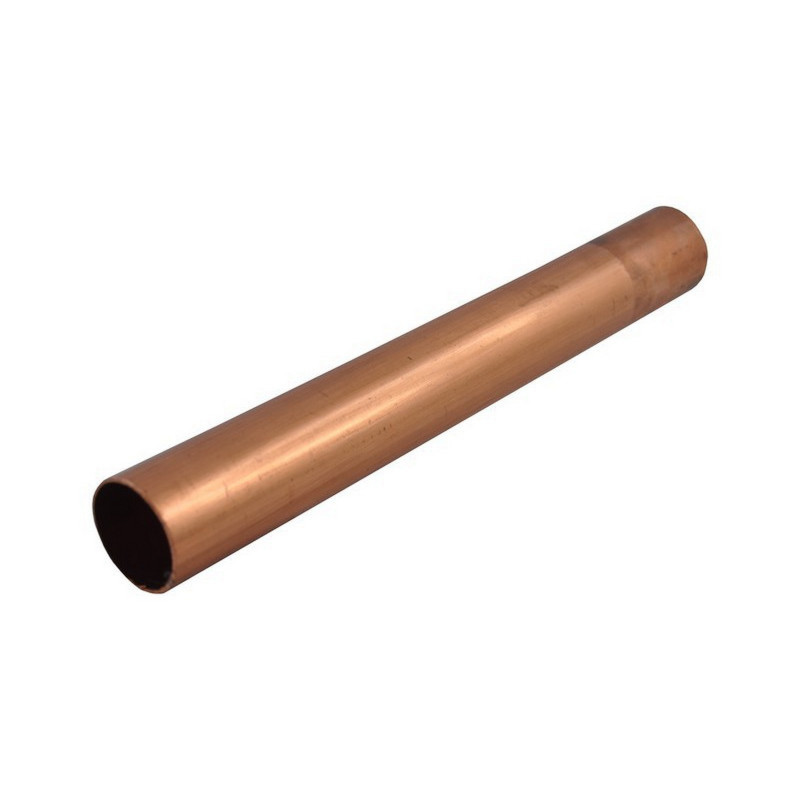
COPPER
Product
Substrate preparation
Adhesion
Monoguard Clear
water + detergent
GT2
10% hydrochloric acid + rinse with water
GT0
Conclusion: For copper, acidic preparation of the substrate is useful and recommended for best adhesion.
During testing, cleaning with a 10% acid solution did not change the appearance of the copper. However, we obviously recommend carrying out a test cleaning on a smaller area to confirm that the aesthetic effect will be satisfactory.
RD-Eco PowerClean degreaser for metal, steel, and floors is a highly effective alkaline detergent with powerful degreasing properties. It quickly removes grease, oily residues, soot, and animal,...
Scalp Anti-Taches 07 water-repellent impregnating agent for paving stones and concrete gives the surface water-repellent and oil-repellent properties. The impregnating agent protects the...
Monovar PU polyurethane furniture varnish is a modern, washable varnish with very high abrasion resistance . The varnish is very hard, dries quickly, and has...
Metal Unicoat is a single-component, water-soluble anti-corrosive paint for protecting cast iron and steel. The paint formula is based on a styrene-acrylic copolymer and zinc phosphate. The...
Elastoflex wood paint is used outdoors on building facades and other wooden elements of various grades. It protects wood and other surfaces from the harmful effects of UV rays, moisture, and...
Professional paint tray made of durable plastic. The tray has rounded, smoothly contoured drip edges , preventing paint rollers from fraying when excess paint is...
Galva Zinc 2185 zinc spray is a fast-drying, zinc-rich (90% zinc) cold galvanizing spray based on epoxy resin. The product contains pure zinc as a pigment and provides cathodic protection. ...
The unique formula of Elastometal paint, i.e., high-quality anti-corrosive pigments and a flexible, tight coating, allows for permanent corrosion prevention—even when applied to...
Professional paint tray made of durable plastic. The tray has rounded, smoothly contoured drip edges , preventing paint rollers from fraying when excess paint is...
3M masking tape is a high-quality, long (50 m) paper masking tape designed for general industrial painting applications. The tape adheres very well and provides precise masking...
Professional reusable brush with a width of 38 mm and 75 mm . The bristles are made of polyester. They are flexible and allow for very good paint distribution on smooth...