Previous keyboard_arrow_left
Next keyboard_arrow_right
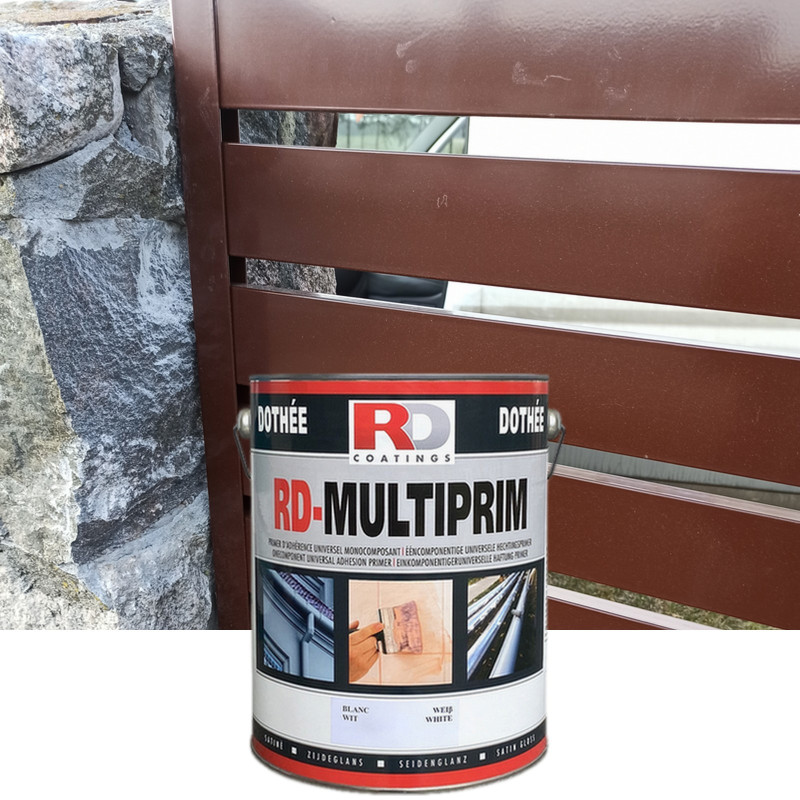
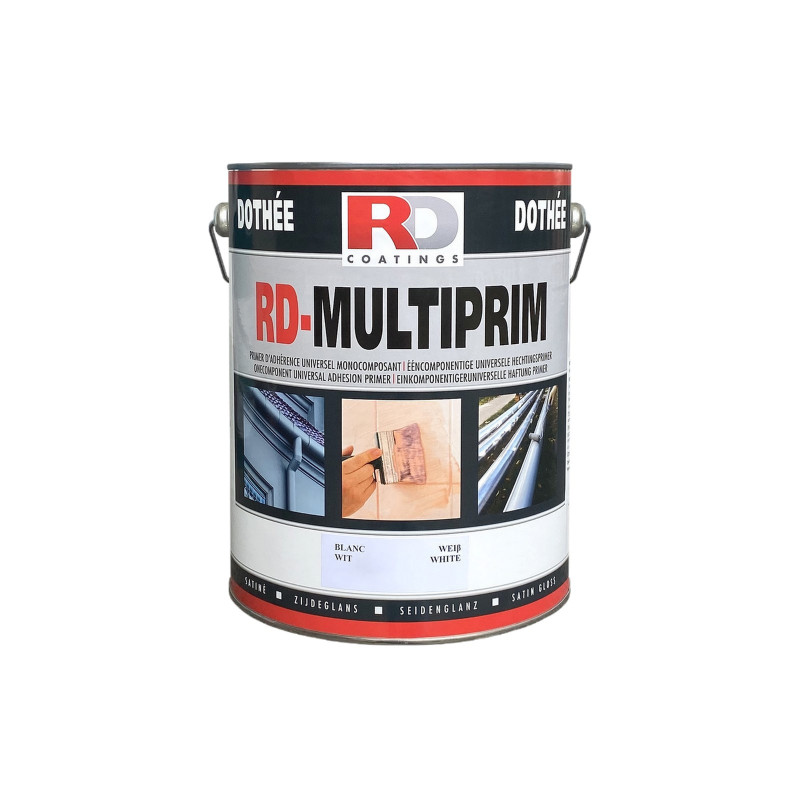
Multiprim aluminum paint

Multiprim aluminum paint

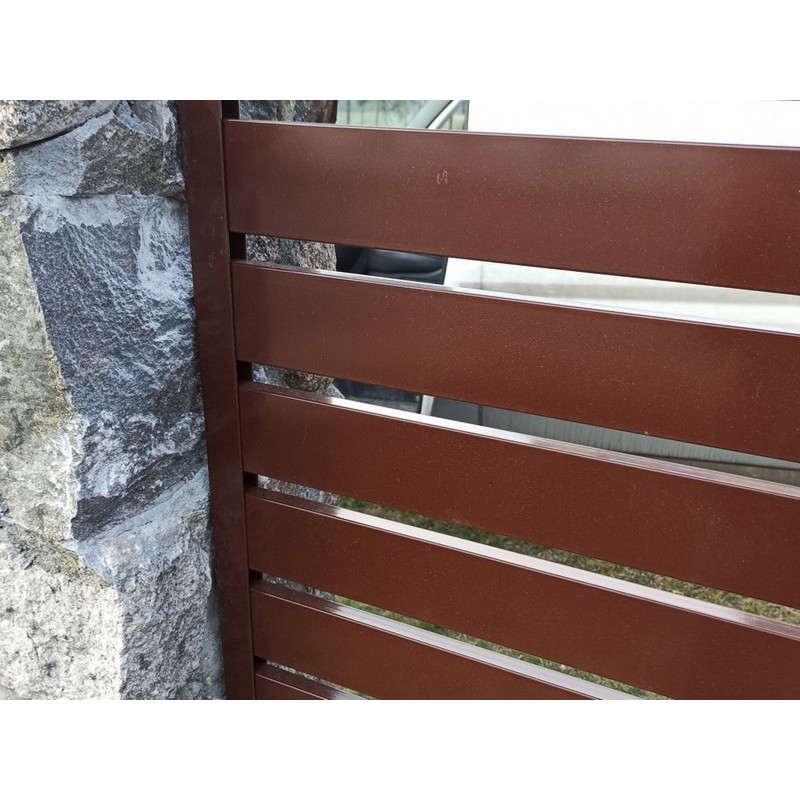
Multiprim - water-based paint for aluminum, zinc, stainless steel, and copper.

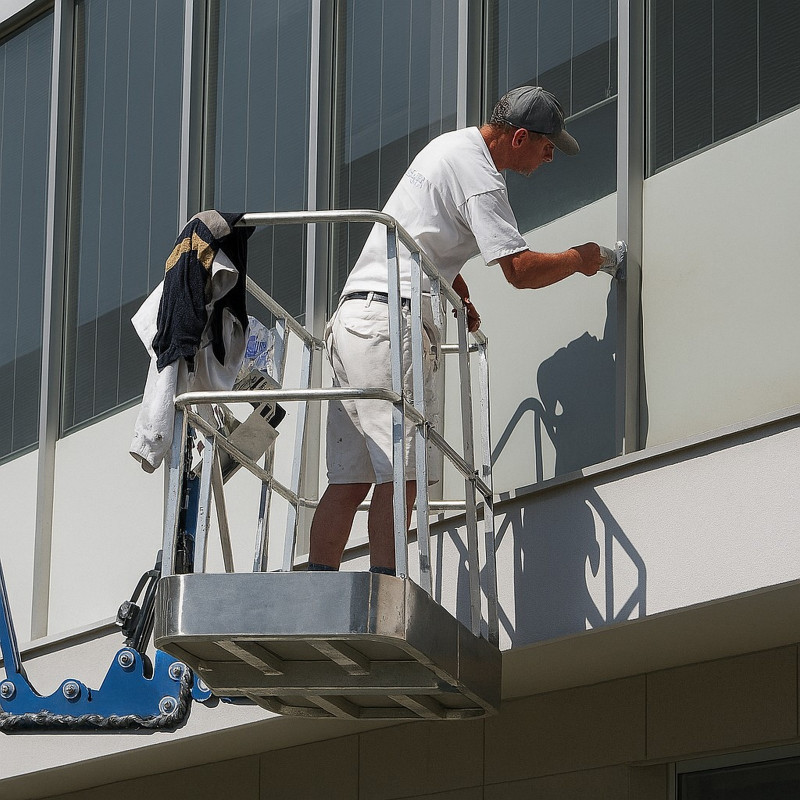
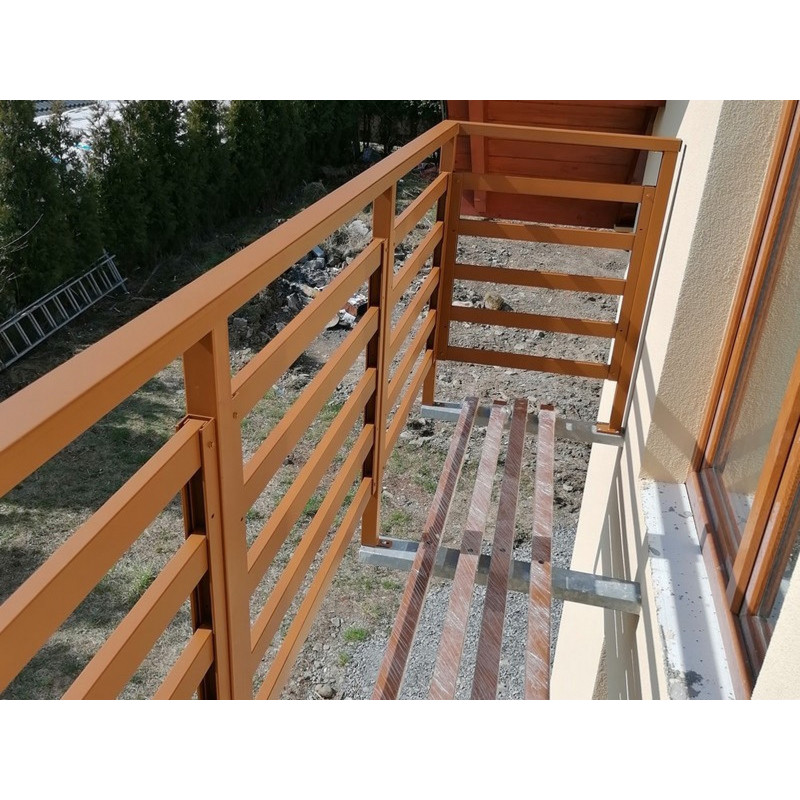
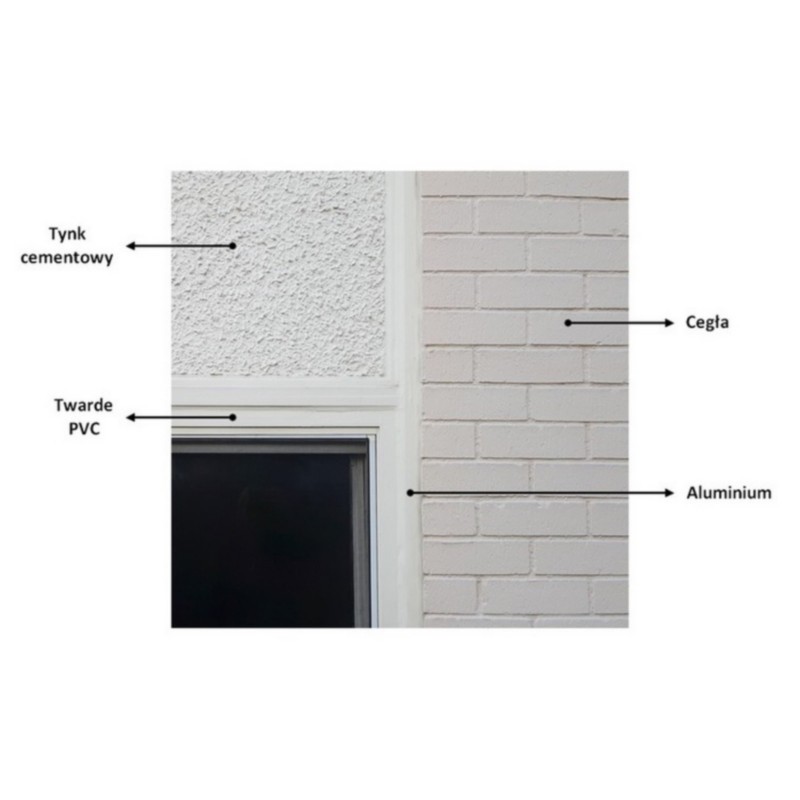
The paint has very good adhesion to most smooth and compact materials, including aluminum, galvanized steel, stainless steel, zinc, copper (new and old patinated, oxidized), lead, black steel, hard PVC, glass fiber reinforced polyester, glass, and ceramics.

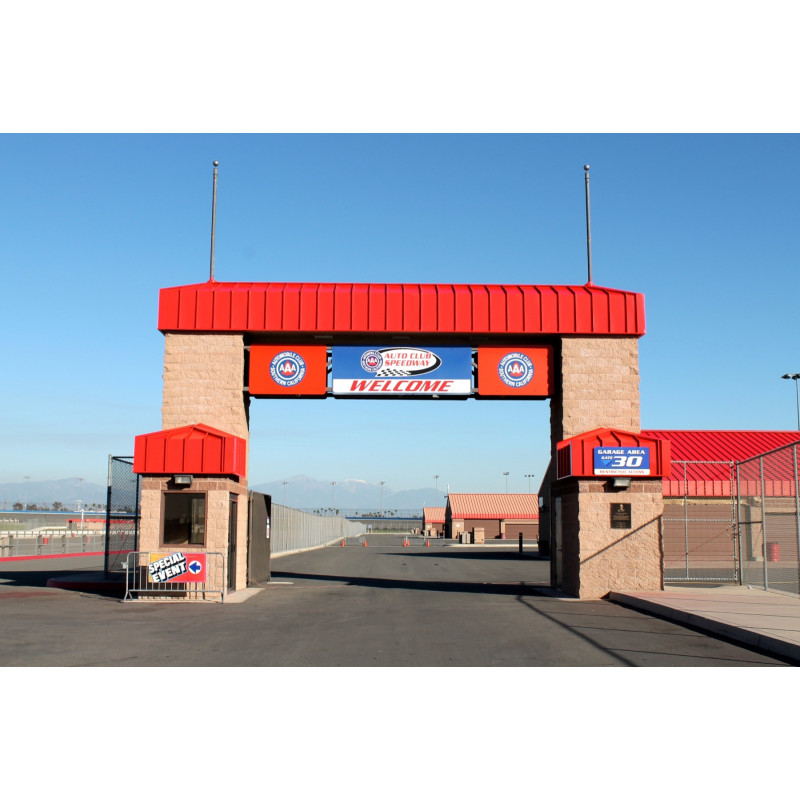
Multiprim is based on acrylic polymers. It has very good UV resistance and high durability in outdoor conditions.

It can be used as a primer applied in 1 or 2 coats. However, for long-term corrosion protection, Multiprim is best finished with Monoguard anti-corrosive paint or colorless Monoguard Clear.

Multiprim paint for zinc and aluminum – key properties:

  • paint for direct application on fresh aluminum, zinc, copper, and stainless steel
  • high durability in outdoor conditions
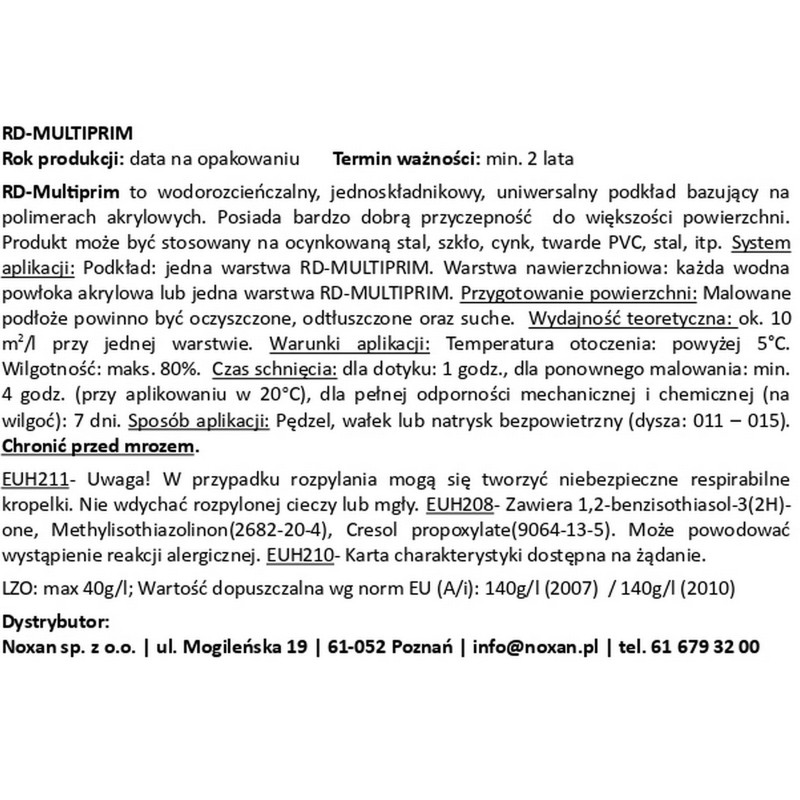
  • high coverage of up to 10 m² per liter
  • fast drying - touch dry in 1 hour | recoatable in 2-4 hours
  • For use as:
    • primer enamel applied in 1 or 2 coats
    • or a coating to improve the adhesion of other anti-corrosive paints 
  • Finish: matte
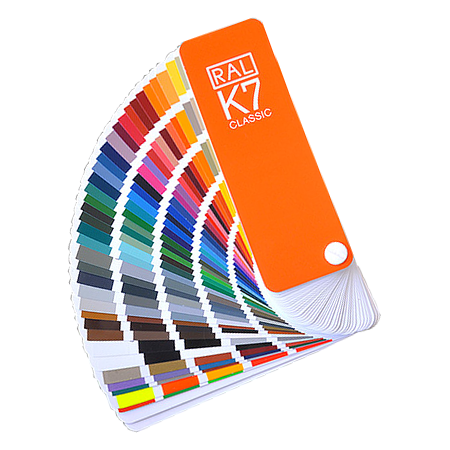
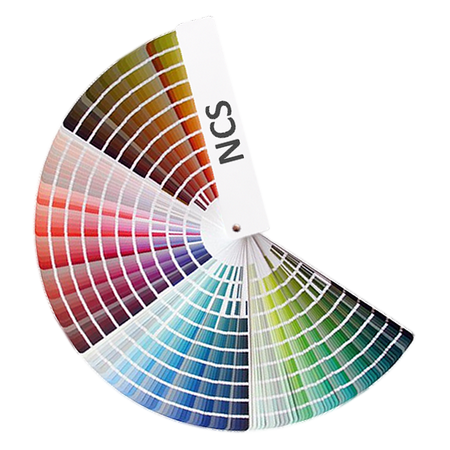
  • Available in RAL colors
  • low VOC content

More information about Multiprim aluminum paint.

Colour

White

  • White

  • RAL 7035 gray light

  • RAL 7032 gray Beige

  • RAL 7004 gray signal

  • RAL 7001 gray steel

  • RAL 7037 gray metalowy

  • RAL 7005 gray mouse

  • RAL 7016 Anthracite

  • RAL 9005 black

  • RAL 1013 white ostrygowy

  • RAL 1015 Ivory

  • RAL 1014 Straw beige

  • RAL 1001 Beige

  • RAL 1018 yellow light

  • RAL 1017 yellow szafranowy

  • RAL 1003 yellow signal

  • RAL 2004 orange

  • RAL 3000 red fire

  • RAL 3009 red oxide

  • RAL 8017 Dark chocolate

  • RAL 6011 green pea

  • RAL 6001 green emerald

  • RAL 6005 green moss

  • RAL 5024 blue pastel

  • RAL 5012 blue lekki

  • RAL 5015 blue medium

  • RAL 5010 blue Chagall

Packaging

zł118.00 brutto

zł95.93 netto

zł118.00 brutto za 1 l

Adhesion of Multiprim to aluminum and other smooth non-ferrous metals:

The tables below show a comparison of the adhesion of Multiprim paint to aluminum and smooth substrates, and Monoguard anti-corrosive paint to aluminum, as well as copper (new and old patinated, oxidized), galvanized steel, and stainless steel.

Legend:

  • GT is the result of testing using the Cross Cut method;
  • The best adhesion is GT0. The following numbers (1, 2, 3) indicate poorer adhesion (the higher the number, the poorer the adhesion);
  • For more information, see here.
ALUMINUM
Product Substrate preparation Adhesion
Multiprim water + detergent GT0
diluted sulfuric acid + rinse with water GT0
Monoguard water + detergent bad (adhesion is poor if we only clean and wash the substrate)
diluted sulfuric acid + rinse with water GT1
Conclusion: Multiprim gives much better results on aluminum than Monoguard. Acid preparation of the substrate is not required for Multiprim. Acid preparation of the substrate is required for Monoguard.

For projects where aluminum is not exposed to mechanical stress, the adhesion of Monoguard to properly prepared aluminum may be sufficient. However, before applying it, we recommend testing it on a smaller area to confirm that Monoguard adheres well.


How to prepare aluminum before applying Monoguard paint?

  • prepare appropriate protective clothing (e.g., neoprene gloves, goggles for working with chemicals),
  • Degrease the substrate using RD-Eco PowerClean.
  • Rinse the substrate with clean water to remove any detergent residue.
  • allow the substrate to dry,
  • etch the substrate with 10% technical sulfuric acid - leave the acid on the substrate for approx. 10 minutes to react,
  • rinse thoroughly with clean water to remove any acid residue,
  • allow the substrate to dry.

NOTE:

  • do not allow the degreasing agent to come into contact with the etching acid; RD-Eco PowerClean is alkaline and may react chemically when in contact with sulfuric acid,
  • first use the degreasing agent, rinse the substrate thoroughly with clean water, then etch the substrate and rinse again thoroughly with clean water.
COPPER - NEW, IN GOOD CONDITION
Product Substrate preparation Adhesion
Multiprim water + detergent GT2
10% hydrochloric acid + rinse with water GT0
Monoguard water + detergent GT2
10% hydrochloric acid + rinse with water GT0
Conclusion: Multiprim and Monoguard give the same result on copper. For best adhesion, it is useful to prepare the substrate with acid.

During testing, cleaning with a 10% acid solution did not change the appearance of the copper. However, we obviously recommend carrying out a test cleaning on a smaller area to confirm that the aesthetic effect will be satisfactory.
COPPER - OLD PATINATED, OXIDIZED
Product Substrate preparation Adhesion
Multiprim water + detergent GT0
Monoguard water + detergent GT0
Conclusion: Multiprim and Monoguard give the same result on old patinated, oxidized copper. Acidic substrate preparation is not required. We recommend using Monoguard paint because it has better anti-corrosion properties.
GALVANIZED STEEL
Product Substrate preparation Adhesion
Multiprim water + detergent GT0
Monoguard water + detergent GT0
Conclusion: Multiprim and Monoguard give the same result on galvanized steel. Acidic substrate preparation is not required.
STAINLESS STEEL
Product Substrate preparation Adhesion
Multiprim water + detergent GT0
Monoguard water + detergent GT0
Conclusion: Multiprim and Monoguard produce the same result on stainless steel. Acidic substrate preparation is not required.

Comments:

Why does the can say that the paint is only 0.99 l, 0.97 l, or 0.93 l?

The total volume of paint consists of the volume of the base and the volume of the pigment.

  • The base volume for a 1 l package is as follows: base A 0.99 l, base B 0.97 l, base C 0.93 l.
  • The pigment volume for a 1 l package:
    • for light colors (base A and B), approx. 1-5% pigment is added,
    • for dark colors (base C), approx. 5-10% pigment is added.

The total volume depends on the color, but is very close to 1 l.

The exact volume of a 1 l package, depending on the color, is presented in the table on the right/below.

The volume of 5-liter packages varies accordingly.

If you have any questions, please contact us.

Loading...